三陸復興 | Sanriku Fukkou

Deutsch-Japanisches Synergie Forum (DJSF) Sanriku Fukkou e.V.

三陸復興 | Sanriku Fukkou

東北被災地「巨大防潮堤」は誰を守るのか? “メガ復興事業”に異論噴出!

東北の太平洋側の海岸線、全長約400kmにわたり、巨大な防潮堤(ぼうちょうてい)の建設が進んでいる。

東日本大震災による津波で大きな被害を受けた人や町を、今後押し寄せるかもしれない津波から守るためだ。

ところが住民からは防潮堤の建設に不満の声が噴き出し、反対運動も起きている。一体、何が問題なのか? 取材を進めると、住民の意思に反して計画を進めようとする行政の姿勢が見えてきた。

■まるで何かの要塞のよう

岩手県宮古市の宿漁港海岸では高さ14 .7mの防潮堤建設が進む。総工費は9億6千万円。現地には「命を守る新しい防潮堤」の看板があったが、浜の近くに民家は見当たらない

宮城県石巻市雄勝町(いしのまきしおがつちょう)は東日本大震災で最大21mの津波が押し寄せ、町の沿岸部が流された。県は復興計画の一環で、雄勝町の中心部に高さ9.7mの防潮堤を造る計画を進める。

だが、住民らがそれに待ったをかけた。そのひとり、「持続可能な雄勝をつくる住民の会」の千葉正人さん(64歳)が言う。

「そんなに高い防潮堤を造れば陸から海が見えません。中心地が浜に接する雄勝は、海が身近にあってこその町。それを無機質なコンクリートで囲ってしまったら町づくりが思うようにできず、この先、観光客だって来なくなる。町が死んでしまいます」

千葉さんは震災後に津波が押し寄せた場所に戻り、そば店を再開した。雄勝が明治と昭和の三陸地震、十勝沖地震、チリ地震の4度の津波被害から復興を遂げてきたことを挙げ、防潮堤は震災前の4m程度で十分と話す。5年前の教訓から、住民は津波が来たら高台に逃げることを学んでいるからだ。

だが県は、「9.7mの防潮堤は住民や国土を守るため」と譲らない。今年4月、住民らとの話し合いが平行線をたどった後、県の漁港復興推進室の室長は詰めかけた報道陣に向けて、「話は出尽くした。(9月から)防潮堤工事を着工します」と宣言。住民のさらなる怒りを買った。

現在、東北の防潮堤整備計画は、津波で1万4千人以上が亡くなった5年前の悲劇を繰り返さないために、岩手、宮城、福島3県で建設が進められている。総事業費は約1兆円。そのお金は東日本大震災復興特別会計、つまり国税から拠出されている。

計画はまず、防災の基本計画をまとめる国の組織「中央防災会議」(安倍晋三会長)の専門調査会などで議論。それを踏まえて、2011年7月に農林水産省や国土交通省が、海岸を管理する各自治体に海岸堤防の高さの基準を通知した。

具体的には、過去の津波の実績とシミュレーションに基づくデータを用いて「数十年から百数十年に一度程度発生する津波の高さ(レベル1)」を想定した上で、通知を受けた自治体が堤防設計を行なった。

雄勝町の9.7mという防潮堤の高さもそこからきている。ちなみに東日本大震災で起こったような最大級の津波には防潮堤では対応せず、住民の避難を軸とした対策を行なうこととしている。

しかし、こうした防潮堤の高さは防災の観点からシミュレーションして導き出したもののため、住民がすべて納得しているとは言い難い。そのため、雄勝町以外でもあちこちから不満の声が出ているのだ

岩手県大船渡市の門の浜漁港近くには東日本大震災で約20mの津波が押し寄せた。28億円をかけた新しい防潮堤の高さは12 .8m。震災前の8.5mから高さが増したが、陸側は住宅の建築制限がかかる区域。いったい誰を守ろうとしているのか?

岩手県大船渡(おおふなと)市の門(かど)の浜(はま)漁港を訪れると、見上げるような12・8mの防潮堤ができていた。目の前に住む87歳の女性はこう口を開いた。

「60年間、家から毎日見てきた海がまったく見えなくなり寂しい気持ちです。これだけ高いと圧迫感もあります。ここは少し高台のため、5年前の大津波でも庭に水が押し寄せた程度。いったい何を守るためにこんなに高い防潮堤を造ったのでしょうか?」

また、同県宮古(みやこ)市の女遊戸(おなつべ)海水浴場では、山の谷間に高さ14・7mの防潮堤建設が進んでいた。まるで何かの要塞のようで、浜から見渡せる範囲に民家はない。付近を散歩していた市内在住の50代の男性に防潮堤の是非を尋ねると、吐き捨てるようにこう言った。

「これじゃ、防潮堤が邪魔して津波が来ても陸側から見えずかえって危険。こんなコンクリートの塊に莫大なお金を注ぐ意味がわかりません。津波対策なら土盛りと植林をした自然の防潮堤で防いだほうがよほどいい」

■「海の砂漠化」が加速する?

その一方で、過去の経験から巨大な防潮堤が漁業に深刻な影響をもたらす可能性もささやかれている。

北海道南西部の日本海に浮かぶ奥尻島。93年の北海道南西沖地震では最大29mの津波が襲い、行方不明者を含む198人の犠牲者を出した。

その後、島の海岸線には全長14kmにわたり、最高で高さ約11mの防潮堤が造られた。だが、こうした場所では陸から海が見えなくなっただけでなく、漁師の生活の糧(かて)である漁場が死んでしまったという。島で漁師を50年続ける林清治(きよじ)さん(67歳)が語る。

「ウニが育たなくなってしまったのです。海底が防潮堤のできた後ぐらいにすっかり変わり果て、ウニの餌となるワカメや昆布などの海藻類が消えてしまったのです。今では誰も防潮堤の近くでウニ漁をしません。こんなことは50年の漁師経験で初めてです」


奥尻のウニ漁師は、毎年夏に未成熟のウニを沖から捕ってきて、島の近くの栄養豊かな漁場に放す。すると海藻をエサに成長し、卵巣が成熟する。その場所がダメになってしまったというのだ。

現地に向かうと付近には高さ11mを超える防潮堤がそびえ立ち、海底には白色を帯びた石が見える。海中に海藻類はなかった。この状態は、海藻類が死滅する「磯焼け」だと北海道大学名誉教授の松永勝彦氏は指摘する。

「海底の岩が白く見えるのは石灰藻です。石灰藻は自らの分泌成分によって昆布などの胞子を殺してしまうため、その付近では海藻が育ちません。自然の海には本来なら、森林の土壌でできた栄養豊富な『腐植物質』が陸の地下を流れる表層地下水を伝って流れ込みます。この物質には石灰藻の胞子を死滅させる作用がある。ところが腐植物質が海水中から減ったことで、石灰藻が繁殖してしまったと考えられるのです」

腐植物質が海から減った原因について松永氏は、巨大な防潮堤の地下の基礎が表層地下水の海への流れ込みをさえぎったからとみている。その結果、ウニの生育に適さない漁場になってしまったのだ。

奥尻島でも有数のウニの漁場だった場所が、巨大防潮堤の完成後からウニが育たなくなってしまった。原因は、山からの地下水が海へ流れ込まなくなったから?

奥尻町役場は「防潮堤のない場所でも20年ほど前から磯焼けが起きていることから、関連はないとみている」と言うが、防潮堤が建設された場所で磯焼けがいっそう進んでしまったとも考えられる。

前出の松永氏によると、こうした磯焼けによる「海の砂漠化」は全国で起きている。開発で山の保水力が失われ、腐植物質を含む河川水が海に流れ込まなくなったからだ。今後、東北の防潮堤整備が進めば、至る所で海の砂漠化が加速したり、出現することも考えられるという。

ほかにも懸念はある。コンクリート製の防潮堤は定期的なメンテナンスが必要だ。奥尻島の防潮堤は建設から20年が経過しようとしているが、亀裂やひび割れがあちこちに見られ、補修にまで手が回っていない。東北で400kmにも及ぶ巨大防潮堤が完成すれば、それだけメンテナンスの費用もかかることになる。

前出の林氏は、「防潮堤を造るときには住民の誰も考えなかったことがこうして起きている。東北でもこのまま建設が進むと、10年後に『失敗した』となるのではないか」と心配する。

東北被災地「巨大防潮堤」はいらない! 生活再建につながる土地利用とは?

東北の太平洋側の海岸線、全長約400kmにわたり、巨大な防潮堤(ぼうちょうてい)の建設が進んでいる

東日本大震災による津波で大きな被害を受けた人や町を、今後押し寄せるかもしれない津波から守るためだ。

ところが住民からは防潮堤の建設に不満の声が噴き出し、反対運動も起きている。一体、何が問題なのか? 取材を進めると、住民の意思に反して計画を進めようとする行政の姿勢が見えてきた。

岩手県内の海岸線に次々に出現する見上げるような高さの防潮堤。海沿いを「壁」で覆ってしまうことには防災の専門家からも疑問の声が上がる

(前編記事⇒『東北被災地「巨大防潮堤」は誰を守るのか? “メガ復興事業”に異論噴出!』)

* * *

そもそも岩手、宮城、福島の各自治体が防潮堤の高さにこだわるのは、「それが国の方針だから」(防潮堤計画に関わる自治体職員)。しかしその実、国は柔軟な姿勢を見せていると話すのは、東北の防潮堤問題を国会で繰り返し質問する宮城県選出の和田政宗参議院議員(日本のこころ)だ。

「県側は、国が当初まとめた方針を推し量り、背の高い防潮堤でないといけないと言います。しかし国は、整備計画は県に任せているとし、その姿勢は柔軟です。安倍総理も『被災直後から住民の意識も変わってきたため、見直しを自治体と相談しながらやる必要がある』と話している。ところが県は瑕疵(かし)があってはいけないという意識も手伝うのか、住民が計画の変更を要望しても一度決めたものとして見直そうとはしないのです」

和田氏は震災前程度の防潮堤を造ること自体は否定しないが、今の高さありきの計画には疑問を感じるという。

「人命最優先と言いながら、すでに高台移転済みの地区や道1本しかない場所に巨大な防潮堤を造っている。漁業や観光にも影響を与えてしまうものを造るのは予算の無駄といえないでしょうか」

では、国の方針を決めるベースとなった中央防災会議の「東北地方太平洋沖地震を教訓とした地震・津波対策に関する専門調査会」で座長を務めた河田惠昭(かわた・よしあき)関西大学特別任命教授はどう考えているのか。取材に応じた河田氏は、高さありきの防潮堤計画は過去の反省がまったく生かされていないと、次のように批判する。

―河田さんがまとめた報告書に従って、東北で巨大な防潮堤計画が進んでいます。

河田 災害の後の復旧復興で一番大切なのは被災者の生活再建。そのなかで防潮堤をどうするかを考えないといけないのに、それができていない。そもそも防潮堤だけで町を津波から守るのは無理。工夫して災害に強い町づくりにしないと。例えば、防潮堤の後ろにある国道を盛り土でかさ上げするなどして多段階で津波の外力を抑えるなどだ。

Wiederaufbau nach dem großen Erdbeben – Kraft durch Überlieferungen

2016年07月28日

東日本大震災・三陸海の盆・鎌原観音堂 心を一つにつなぐ


東日本大震災・三陸海の盆・鎌原観音堂をつなぐものとは

7月28日

なぜ「三陸海の盆」なのか? 復興と郷土芸能の意味

皆さま、おかげさまで目標の40万円にはだいぶ近づきました。感謝です。ただし、20人の人々が群馬から三陸まで往復する経費は70万円を越すことが見込まれ、「持ち出し」が多く、さらなるご支援をいただけると助かります。

今回は、8月27日に南三陸町で開かれる「三陸海の盆」に、なぜ鎌原観音堂のみなさんをはるばる群馬県嬬恋村からお招きしようとするのか、東日本大震災とその復興、被災した人々にとって、郷土芸能がもつ社会的歴史的に大切な意義などについてお話しましょう。


震災直後に踊りを踊った大槌町・臼澤

第1回の「三陸海の盆」は、震災からちょうど5ヶ月の月命日、2011年8月11日に、岩手県大槌町の「まごころ広場」で開かれました。その目的は、犠牲者を弔い、記憶・教訓を語り継いで風化させないことを誓い、被災地と支援地、三陸全体が一体となって供養を捧げるというものです。同時に、各地に伝えられてきた郷土芸能の復活、郷土の復活を願っての「海の盆」でした。

私は残念ながら行かなかったのですが、そのときの様子は、このビデオで垣間みることができます。


第1回三陸海の盆(大槌町まごころ広場)


そこには、さらに遡るお話がありました。震災から一月やっと経った4月17日、大槌町臼澤で、郷土芸能の鹿子踊りが奉納されました。400年にわたって臼澤の部落の人々が伝承してきた鹿子踊りは、地元の人たちの魂のよりどころ、被災して避難所生活を続ける人々を元気付けようと、臼澤鹿子踊保存会館伝承館の皆さんが発案・実施したものです。

この伝承館は、20年ほど前に、400年近く伝わる踊りを保存するための練習場所、寄り合いとして、住民が自主的に建設し、運用してきた建物です。東北地方には数多くの郷土芸能が継承されていますが、多くは公民館などを拠点としていて、住民が行政の力を借りずに建物を建設・維持しているのは、臼澤の伝承館ぐらいだともいわれます。


臼澤鹿子踊伝承館(大槌町)


この踊りが、その場にいた大槌町の人たちの心を打ちました。その延長で、5月1日、まだ惨憺たる状態が続いていた大槌の人たちの気持ちを一つにするために、まごころ広場で、「復興の群舞」として、鹿子踊りの復活が宣言されました。

しかし、準備の段階では、「津波に流された肉親がまだ見つかっていない時期に踊りなんて、とてもそんな気にはなれない」、「衣装もない」、「不謹慎ではないか」と、反対する声も強かったそうです。そこを伝承館のリーダーである東梅英夫さんたちが、昔から続いてきた踊りは冠婚葬祭に欠かせないもので、歌詞には死者への弔いも含まれているという話が決め手になったといいます。また、東京から大槌に支援に来ていた山口幸夫氏(当時・社会事業大学)の、アジアでの災害の際に、民族芸能が人々の気持ちを一つにし、復興に果たす役割があると説いたことも大きかったようです。

事実、被災地で実際に踊り見ていた地元の人たちは、涙がこみ上げ、胸を打たれ、それぞれが死者たちを弔い、復興への誓いを強く思ったという。荒れた街に気持ちが戻ってきたというのでしょうか。

復興への心を一つにする郷土芸能

こうした話は、臼澤だけではなく、大槌町の他の部落にも、陸前高田にも女川にも、雄勝にも浪江にも、日本でも有数の郷土芸能の継承地である三陸各地に存在しています。(参考:「被災地における郷土芸能の現状とこれから」)


物質的な破壊は、人の心を荒れさせます。復興も、衣・食・住、道路など、物質面を優先させがちとなります。しかし、人々の心が荒れたままでは、復興はなかなか進みません。避難所に住み、物質的に不自由な生活が続いているときに、物質面での米、水、食料、薬などが必要なのは当然ですが、それと同時に、心の安らぎ、ともに涙を流すこと、地域の仲間と一緒になって歌い、踊り、笛を吹いてひとときを過ごす、精神面での拠り所が求められるのだと思います。


私自身が最初にその一端に触れたのは、2013年秋、大槌町の仮設住宅のそばの土地に開設された「まごころの郷」に、ドイツからの資金によって小さな家が新築されたお祝いに偶然参加し、棟上げ式に臼澤鹿子踊りが奉納されたのを見たときでした。それまで「郷土芸能」には正直いってまったく興味をもっていませんでした。しかし、そこで見たのは、収穫寸前の黄金色に輝く稲穂を背景に、死者の霊を供養し、新たな建物の完成を祝う踊りで、見事に郷土を表現するものでした。小学生、中学生の子どもたちが真剣に踊っていたのです。


三陸地方には、郷土の民俗芸能としての神楽、田楽、獅子舞、鹿子踊り、虎舞、剣舞などなどが、きわめて豊富な種類で伝承され、現在でも四季の祭りや行事の際に、大人も子供も一緒になって踊られ、地域の生活になくてはならない存在となっています。

そのなかでも、臼澤の伝承館は、津波の被害を免れた内陸部にあったことで、沿岸部で家を流され、山に逃げて火災に囲まれて辛うじて逃げてきた人々が大勢駆け込み、避難所としての機能を果たしていたそうです。その背景には、日ごろから町方の子供たちも一緒に鹿子踊りの稽古を受けていたことがあるそうです。

実は、以前であれば、郷土芸能は各集落単位で継承されるもので、他の集落の人には「門外不出」、歌詞の一句でも伝えてはならないという固い掟があったのです。しかし、人口減少が進み、少子化が進んだ最近では、そうした制約を越えて、臼澤では、他地区の子供たちにも積極的に踊りを教えていたのです。それによって、地域での交流があったことで、災害のときの支援、連携へとつながったのです。

昨年夏、六本木ヒルズでの夏祭りに招待された、臼澤鹿子踊り


「三陸海の盆」は、2011年の大槌町、2012年には釜石市、2013年大船渡市、2014年山田町と続けられ、2015年には県境を超えて宮城県気仙沼市唐桑の浜で開催され、東北・三陸の復興の重要な推進剤となっています。行政からの補助金もなく、規模は小さめで、地元の人たち、とくに被災した人たちが主な対象で、手作り感満載のイベントです。会場には焼きそばやホタテ焼きなどの屋台も並び、子どもたちからお年寄りまでが、一日出入りしながら楽しまれていきます。


なぜ、三陸では教訓が継承されてこなかったのか

三陸では、有史以前から、津波被害が繰り返し起きてきました。しかし、残念ながら、その記録、記憶、教訓は、必ずしも長く語り継がれてはこなかったことも事実です。そのため、明らかに津波が来てもおかしくない海辺にも多くの建物が建てられて、今回の津波に襲われ、多くの人命と財産が失われる結果となりました。

釜石でも気仙沼でも、市の防災課長や教育長、美術館の学芸員の皆さんが、防災対策や津波教育を一所懸命続けてきたはずなのに、「なぜ教訓の伝承/継承が十分にできなかったのか」と、震災後に訪れると、悔やんで語られるのでした。大川小学校でお子さんたちを亡くしたご遺族の皆さんも、「自分の子供はもう帰ってこない。せめて、なぜこんな事故が起きたのか、どうすれば防げたのか、これからの災害への教訓として、全国の人に広く伝え、知って考えてもらいたい」と口々におっしゃいます。


230年語り継いだ鎌原村観音堂の皆さん、津波の実体験を聞いて

「供養の意義がいまはじめてわかった」と。

浅間山の大噴火で村の大半の人を亡くした鎌原村の人たちは、助かった人々が結束して、必死の思いで再建・復興を果たしてきました。通常なら、世代が代わり直接の体験をもつ人がいなくなれば、教訓は風化し、記憶は失われます。それが、なぜ鎌原観音堂の人たちだけは、全国でも例外的に、稀有な伝承を今日まで続けられたのでしょうか。

先日、準備のために、「三陸海の盆」実行委員会で奔走されている臼澤良一さん(遠野まごころネット理事長)と一緒に鎌原観音堂を訪問し、奉仕会の皆さんのお話をして頂ききました。300年以上前に建てられ、煤が天井を真っ黒にしている囲炉裏端で、津波で流され辛うじて助かった臼澤さんご自身の被災体験の語りは、遠い祖先がそのような目に遭ったことを思い起こす鎌原の皆さんに、直接伝わったようでした。

9代目の直系の子孫の方は「いままで正直いえば、供養の大切さは、もうひとつわからなかった。今日のお話を聞いて、はじめてその意義がわかった気がした」と言われました。概要、以下です。


災害に遭って家もなくなって、家宅も押し潰されちゃってなくなるわけですよね。そういうものを復興する、畑を作る、田んぼを作る、家を作ることのほうが先なのに、それよりもなによりも供養ということが、あの和讃のなかに出てきますよね、その意味が我々にはわからなかったというか、おれはとくにわからなかった。なんでもっと復興が先にならないんだ、と。夜ごと子どもたちの泣き声が聞こえるとか、そういう意味がもう一つわからなかった。それが今のお話を臼澤さんから聞いて、やっと、わかったというか。」


観音堂の囲炉裏端で語る臼澤さん(左から2人目)


臼澤さんのように苛烈な災害を生き延びた人の語りは貴重です。しかし、年月を経れば、直接体験者は、いずれいなくなります。鎌原観音堂の皆さんは、9世代、10世代を超えての継承をしてこられました。しかし、多くの方は高齢で、後継の皆さんを確保できるかは、難しいというのも事実です。そのとき、現役での災害体験の語りを聞かれることは、もしかすると意味があることかもしれません。

被災者同士、被災地同士の交流と教訓の継承の意義は、きっとあると信じて。

次回は、8月5日に鎌原観音堂で開かれる、天明浅間大噴火の244年法要の様子をお伝えしようと思います。リターンのためのビデオ撮影も予定しています。

引き続き、ご支援のほど、そして共有・拡散のほど、よろしくお願いします。

Shishi Odori

被災地における郷土芸能の現状とこれから -無形文化遺産としての郷土芸能の立ち位置-

公益社団法人全日本郷土芸能協会 事務局
小岩秀太郎

2012年10月20日の釜石まつりにて船上で演じられた南部藩壽松院年行司支配太神楽
(岩手県釜石市)
はじめに
2011年3月11日に発生した東日本大震災では、祭りや郷土芸能といった無形文化遺産(注)が豊富に伝えられていた東北地方沿岸部が甚大な被害を受け、伝承地のみならず伝承者、用具などの多くが被災した。しかしながら、この2年の間に多くの団体が困難を乗り越え再開を果たした。その雄姿は被災地域のみならず全国の人々に勇気を与え、またそれらが内包する力を再確認し、注目を集めるようになった。
津波や火災は自らの住む地域を跡形もなく破壊し、高台移転や原発は先祖代々伝えられてきた地域を捨てなければならないという苦渋の選択を、突然に強制的に突きつけた。今までと同じ形で伝承をしていくことは不可能に近い。それでも、あれほどの悲惨な経験をすれば「神も仏もない」と思うのが普通なのに、避難所などで供養と鎮魂の芸能が次々と立ち上がったのである。このことは一体何を指し示すのだろうか?大津波を経験しながらも、海に向かい祈りをささげる虎舞や神楽の姿をテレビや新聞を通して目にした方も多いはずだ。
震災後の郷土芸能活動
津波で壊滅的な被害を受けた岩手県陸前高田市で「虎(とら)舞(まい)」が舞われたという記事が、震災発生2週間も経たずして新聞に掲載された。震災直後に虎頭(とらがしら)や装束を探し出し、倒壊した家屋や逆さになった消防車が残る公民館の前でわずか12日後に舞われ、また同地区の七夕祭りに使う山車も津波で破壊されたが3日後には地域住民で修理を始めたという内容である。そこには次の印象的な一文があった「ここ10年で祭りがまたやれるとは思ってねぇ。でも、ちょっこりちょっこりやってれば、孫やひ孫の代では復活するべ」(2011年3月26日 朝日新聞夕刊)。被災地における郷土芸能の現状の第一報だったと思うが、ショックや驚きという感情以上に、震災直後で絶望的な中、瓦礫を背景に虎頭を抱えたその写真は「俺たちはこの地に根差して生きてきたんだ、この虎とともに」と言わんばかりの力強さを伝え、今まで感じたことのないほどの勇気と励ましを感じたのだった。郷土芸能や祭りといった形の無い文化にたずさわってきた私たちが、今後どのような活動をしていくべきなのかを導いてくれた記事であった。
大津波そして福島県の原発事故は、郷土芸能や祭りにとっても収拾の目途がつかない壊滅的被害をもたらした。伝承者の死亡や避難による離散、使用する道具や装束の流失や損壊、芸能を受け継ぐ主体である地域コミュニティを一気に崩壊させた。2年が過ぎた今でも、住民の帰還や職場をはじめ生活復興に向けた将来像が描けない状況が続いている地域も福島県をはじめまだまだたくさんある。
そんな中、土地の問題で元の地域から離れた地域に建てられた仮設住宅や遠く離れた親戚知人宅に身を寄せながらも、住民たちが互いに連絡を取り合い、地域の行事や芸能を続けていこうという試みも積極的にみられた。また、地域の崩壊・消滅の危機に直面して改めて地域の歴史、文化、祖先を見直し、次世代、後世に伝えていこうとする動きも、今までにないほど活発化しているように思える。
活動を再開させた虎舞。2012年10月21日釜石まつりにて(岩手県釜石市)活動を再開させた虎舞。2012年10月21日釜石まつりにて(岩手県釜石市)
情報集約と発信
震災後、全日本郷土芸能協会は郷土芸能に関する専門組織として情報収集と周知に取り組んできた。当協会は各県の芸能団体や研究者、愛好者を会員とするネットワーク組織でもある。このネットワークを活用して被災地の郷土芸能の情報の集積にとりかかったが、把握は困難を極めた。会員はじめ情報提供者の行方がなかなかつかめなかったことは仕方がない。しかし儀礼文化学会(東京都)と協働で主に岩手県・宮城県・福島県の被災地域の芸能や祭礼をリストアップした一覧表を作成してみて愕然としたのを覚えている。
なぜなら3県あわせて2,000を超える芸能が伝わっており、その後の調査で岩手県166件、宮城県211件、福島県415件、計792件がなんらかの被災をしている可能性があるという驚くべき結果が出たのである(無形文化遺産情報ネットワーク・2013年2月末時点)。またこの数は、いわゆる市町村が把握しているものだけで、それ以外の例えば各家庭に飾られている獅子頭なども多数存在していたことがさらに把握を困難にした。これは沿岸部の芸能の多くは自治体保護の対象にならない無指定のものであり、また芸能に限った「保存会」形式でないことに要因がある。それは青年団や消防団、契約講(主に宮城県の農漁村部の集落ごとの相互扶助組織。多くは山や施設といった共有財産を保有し、日々の生活の中での助け合いを目的とする。主に青年男子によって構成される)といった地域集団が中心となって組織されており、自治体や研究者の調査研究が手薄な傾向であったため事務局等の連絡系統が不明瞭であった。いずれにせよ、各地の有志・関係者と連絡を密に取り合い、本当に地道な調査によって少しずつリストを埋めていく作業を継続して行ってきたのである。
状況調査をするにあたり、伝承者の被災、用具類の流失や損壊、実施場所や稽古場の被害、住民分散等による実施日・形態の変更、伝承を支える住民の被災等、被災項目は多岐に亘る。また、今後の目途や対応の項目も盛り込んだ情報収集を行ったことで方針を立てやすくなった。集積作業においては、現地関係者からの情報、報道やインターネットの情報、各県の文化財担当部署の協力も得ることができた。これら情報は、全国の芸能関係者に全郷芸会報やWeb、ブログ、ツイッター等で周知発信をすることで、個人はじめ報道関係や企業、助成法人等が関心を持つに至り、被災地内外からの問合せや相談、取材、そして民間による郷土芸能支援活動へと繋がっていったのである。
被災したうごく七夕まつりの用具保管庫(岩手県陸前高田市)(うごく七夕川原祭組提供)被災したうごく七夕まつりの用具保管庫(岩手県陸前高田市)(うごく七夕川原祭組提供)
2012年8月6日うごく七夕まつりの前夜祭にて(岩手県陸前高田市)2012年8月6日うごく七夕まつりの前夜祭にて(岩手県陸前高田市)
支援活動と課題
文化庁主導で震災直後から建物や文書などの有形文化財を救出する「文化財レスキュー」が進む一方、無形の文化財に対する救出や支援に関しては、指針さえもはっきり打ち出されることなくこの2年が過ぎた。一方、民間の団体や企業、ボランティア団体が被災地対応として取り組み始めた支援は瞬く間に効果が出て、この2年間で活動を再開及び再開を希望する団体は300件近い。
このように誰もが予想していなかったスピードで再開がなされた地域がある一方で、福島県の原発被害地域については2年経ってやっと数団体の声が聞こえてきたのみである。いまだその多くは地域住民の行方も分からず、集まる機会や方針決定さえも物理的・金銭的に不可能な現状であり、あるいは時期尚早であるという意見も強くあるようだ。
郷土芸能や祭り、地域行事といった無形の文化遺産の担い手は人であり、人から人へと受け継がれる。これは土地に根差してきたもので、その地で暮らす人々の連帯によって支えられてきた。しかし今回の原発事故や津波による避難は、人々から土地を奪い、連帯を破壊し尽くした。この状況の中で復興を目指す地域は、更に強い連帯感を生み出すに違いない。そしてそこにはその地とその住民で受け継がれてきた芸能や祭りが中心に据えられるのだ。原発地域住民における継承作業は、土地に根差したものでなくなる可能性もあり、解決の方法がなかなか見出せないのだが、それでもごく一部で離れ離れになった住民同士が互いに連絡を取り合おうとしている動きもあり、そこに一縷の希望を見出しつつ、その努力に感服せざるを得ない。こうした動きが見える限り、私たちはほんの少しでも支えになれるよう、長期的に注目し風化防止のための仕組みと対策を急がねばならないだろう。
2012年5月の神社例祭で演じられた雄勝法印神楽。地元住民が押し寄せた(宮城県石巻市)2012年5月の神社例祭で演じられた雄勝法印神楽。地元住民が押し寄せた(宮城県石巻市)
2012年2月19日に避難先の二本松市の仮設住宅で行われた「安波祭」での請戸の田植踊 (福島県浪江町)(請戸芸能保存会提供)2012年2月19日に避難先の二本松市の仮設住宅で行われた「安波祭」での請戸の田植踊
(福島県浪江町)(請戸芸能保存会提供)
無形文化遺産情報ネットワーク
2年が経過してもなお課題山積ではあるが、地域の方が今を生きるための心の支えとなるように、また地域文化が次代へと引き継がれていくように、一般社団法人儀礼文化学会、独立行政法人国立文化財機構東京文化財研究所、独立行政法人防災科学技術研究所、公益社団法人全日本郷土芸能協会が協働で、無形文化遺産の復興・継承支援の事業を推進する「無形文化遺産情報ネットワーク」を2013年3月に立ち上げた。
震災後、儀礼文化学会と全日本郷土芸能協会が中心となって作成してきた被災地域の民俗や祭礼の一覧表をもとに、それぞれの団体が関係する団体や個人に生の情報を寄せてもらい、集まった情報をもとに必要な支援の呼びかけや仲介、情報の発信を行ってきた。
2年を経過した今、これまで関係者間のみで共有されてきた一覧表を整理し直し、防災科学技術研究所の全面的協力のもと地図の形で公開することにした。行政や民間団体、保存会関係者、研究者、愛好者など、それぞれが持つ情報やネットワークは限られているが、それらを繋げることでより広域的で目の細かいネットワークの構築を図ることができると考えたからである。地図の公開により被災や復興の現状を広く一般に周知するとともに、これまで支援や注目など情報が行き届かなかった地域についての情報も新たに収集し、発信していきたいと考えている。また、これら地域の文化の豊かさを魅力ある発信によって知っていただき、支援者やファンを作っていくことで、文化継承の一助となることを願っている。
現地からの情報はまだまだ足りない。むしろどんどん忘れ去られ風化していく一方である。やむなく休止していた芸能や祭りのモチベーションもどんどん下がりつつある。情報の収集発信を再度推進することで支援や意識の向上に繋がることを期待する。
「情報まどぐち」を随時設置しています。些細な情報でも構いません。是非とも情報をお寄せいただき、また活用していただきたい。
無形文化遺産情報ネットワーク
無形文化遺産情報ネットワーク
無形文化遺産情報ネットワーク:http://mukei311.tobunken.go.jp/
サイト内「情報まどぐち」:http://mukei311.tobunken.go.jp/?module=contact&eid=10243&blk_id=10243
(注)祭り行事や信仰、民俗芸能、様々な慣習、暮らしの技術など、形のない民俗文化を無形の民俗文化と呼ぶ。この無形民俗文化財を含め、次代へと引き継いでいくべき無形の文化を総称して無形文化遺産と呼ぶ。
________________________________________
東日本大震災・郷土芸能復興支援プロジェクト 支援金募集
(公社)全日本郷土芸能協会では『東日本大震災・郷土芸能復興支援プロジェクト』を立ち上げ、郷土芸能に関する幅広い支援を呼びかけている。
皆さまからの寄付金は、被災地の郷土芸能活動、継承活動への支援金として役立っています。
プロジェクト支援金口座
三菱東京UFJ銀行 赤坂見附支店 普通 0126803
口座名  郷土芸能復興支援プロジェクト
●被災郷土芸能の詳細情報は全郷芸会報(季刊)または全郷芸ブログにてhttp://blog.canpan.info/jfpaa/


2. Problem beim Wiederaufbau – Sozialer Wohnungsbau

In Rikuzentakata ist ein Gebäudekomplex bestehend aus 3 acht – und drei 9 geschossigen Apartmenthäusern mit 301 Sozialwohnungen. Wahrscheinlich werden davon 206 bezogen, ca. 25% werden allein lebende ältere Personen sein. 95 Wohnungen werden leerstehen. Die Vereinsamung ist vorprogrammiert.
Ein weiteres Problem ist, dass die Feuerwehr bisher nur Leitern für 15 Meter

hohe Gebäude besitzt (5 stöckige Gebäude). Diese Gebäude sind doppelt so hoch. Die Leitern müssen beschafft werden und die Feuerwehr muss geschult werden.

岩手

<災害公営住宅>コミュニティーづくり模索

2016年08月01日 月曜日
岩手県内最大の災害公営住宅「県営栃ケ沢アパート」

 岩手県陸前高田市で1日、県内最大の災害公営住宅「県営栃ケ沢アパート」の入居が始まる。9階建てと8階建ての2棟で、市全体の3割以上を占める計301戸を整備した。だが、持ち家が中心の市民に高層集合住宅はなじみが薄く、新たなコミュニティーづくりや防災対策が課題となっている。
アパートは高台の市役所仮庁舎近くに立地する。県大船渡土木センターによると、現段階の入居見込みは206世帯。このうち、1人暮らしの高齢者は24.8%に及ぶ。加えて入居者は市内各地から集まるとみられる。
高齢者らの相談に応じる陸前高田市地域包括支援センターの担当者は「都市型の住まいに慣れていたはずの神戸市でも、阪神大震災後に孤独死が出た。嫌になってストレスをためたり引きこもったりしないか」と心配する。
県営のため、住民サービスを担う市に入居者の詳しい情報が入らず、ケアの支障になりかねない。
県は市などと協議し、同意を得た入居世帯全員の氏名と性別、年齢の個人情報を、市や市社協、民生委員に提供することを決めた。
管理人や行政区長、班長の選任、自治会設立、入居者間交流といった課題にも連携して対応する。県大船渡地域振興センター復興推進課の米内敏明課長は「規模が大きく、コミュニティーづくりに危機感を持っている。住民の合意形成を大切に進めたい」と話す。
防災面でも懸念材料がある。東日本大震災前に中高層建物が少なかった市には消防のはしご車がない。栃ケ沢アパートをはじめ、7階以上の災害公営住宅が相次いで建ち、高さ15メートル以上の建物は9棟に増えた。
はしご車の整備については消防庁の指針でおおむね10棟を目安としているが、維持管理を含めた財源や職員態勢の問題もある。
市消防本部によると、災害公営住宅の部屋壁は鉄筋で隣室の延焼を防げるといい、玄関側とベランダ側からそれぞれ水平方向に避難しやすい構造になっている。同本部の担当者は「はしご車がなくても消防隊が支障なく上階に向かえる」と説明。今後は防火講習会を開き、入居者の不安解消に努める。

http://sp.kahoku.co.jp/tohokunews/201608/20160801_33005.html

Großes Problem des Wiederaufbaus – Leerstand der temporären Wohnsiedlungen beträgt 41 %

Große Probleme gibt es immer noch beim Wiederaufbau in Tohoku: 41% der temporären Wohnhäuser stehen leer, da die ehemaligen Bewohner entweder eine neue Wohnung in ihrem Heimatort gefunden haben oder in andere Gegenden abgewandert sind. Ursprünglich sind 50.300 temporäre Wohneinheiten errichtet worden. 2700 davon sind bisher abgerissen worden: in Iwate sind es 1083 von ursprünglich 13.984 Wohneinheiten = 8%, in Miyagi sind es 536 von 22.095 = 2% und in Fukushima sind es 1042 von 16.800 = 6%. Da aber immer noch fast 100.000 Betroffene in Containersiedlungen wohnen, können sie, trotz Leerstands von 41 % nicht abgerissen werden. Die Gemeinden können diese Grundstücke noch nicht wieder nutzen zum allgemeinen Planen. Beim Erdbeben in Kobe konnten 5 Jahre später alle temporären Siedlungen abgerissen werden.
Der Wiederaufbau (Sozialer Wohnungsbau) konnte bis Ende Mai 29.000 Wohnungen aufweisen, das sind 60% der Planung. Ende Juni hatte sich der Leerstand der temporären Wohnanlagen auf 52% erhöht.
In Iwate standen Anfang Juni von 12.901 vorhanden temporären Wohnungen 6.709 leer, das sind 48%.
 
 
仮設の空室半数超 東北被災3県、岩手は実質41%
 
東日本大震災で大きな被害に遭った本県や宮城、福島の3県に建設されたプレハブ仮設住宅の半数以上が現在空室となり、撤去できたのは計約5万3千戸の5%に当たる約2700戸にとどまっていることが28日、分かった。仮設は1棟に複数世帯が暮らす長屋がほとんどで、解体には1棟の全世帯退去が必要なためだ。跡地利用が進まず、空室が増加して住民のつながりが薄れる事態にもなっている。
 
 3県によると、プレハブ仮設の建設は本県が1万3984戸、宮城2万2095戸、福島1万6800戸。撤去されたのは、6月末時点で本県が1083戸で8%、福島は1042戸で6%にとどまる。宮城は536戸で、わずか2%だった。
 
阪神大震災の被災地は、約5年で全てのプレハブ仮設が撤去されている。
 
 復興庁によると、被災者が恒久的に暮らせる賃貸の災害公営住宅は、計画する約2万9600戸のほぼ6割が5月末で完成。プレハブ仮設から公営住宅へ移る被災者が増えるのに伴って仮設の空室は増え続け、6月末時点で総戸数の52%に達した。
 
 本県の仮設住宅は県復興局によると6月末現在、1万2901戸。入居戸数は6709戸で空室率は48%となっている。このうち、倉庫や応援職員らの住居として利用している戸数を除いた実質的な空室率は41・2%という。
Otsuchi 2013

トランペットで大槌の音…きょうCD発売

町中心部を一望する高台でトランペットを吹く臺さん(5月29日、大槌町で)=冨田大介撮影

町中心部を一望する高台でトランペットを吹く臺さん(5月29日、大槌町で)=冨田大介撮影

◆出身・臺さんのジャズバンド

東日本大震災で被災した大槌町出身の臺だい隆裕さん(21)がジャズバンドを結成し、プロのトランペット奏者として一歩を踏み出した。「被災した自分だからこそ伝えられる音がある」と信じ、震災から5年間の思いを込めた自作曲を収録したCDを20日に発売する。(柿沼衣里)

 5月末、かさ上げ工事が進む町中心部を一望する高台で愛用のトランペットを手にした。出身高校の生徒らに演奏を指導するため、自宅がある東京から月1度は通う。津波で自宅は全壊し、両親は町内にあるトレーラーハウスで暮らす。町を見渡し、「懐かしいけど、全然知らない町にも見える。いつも不思議な感覚です」と感慨を語った。

 震災時は大槌高校1年。吹奏楽部の練習中に揺れに襲われた。高台の高校は避難所になり、住民が避難し、遺体も運び込まれた。1枚の毛布を巡って大人がけんかをした。吹奏楽の練習を再開すると、避難者から「うるさい」と心ない言葉を浴びせられた。大好きだった音楽は「空腹を満たすことも、冷えた体を温めることもできない無価値なもの」と思えた。

 震災の3か月後、町内で復興イベントが開かれた。吹奏楽部の一員として震災後初めてステージに上がり、住民の前で演奏した。明るい演歌中心だったが、渇いた喉を潤すように住民が聴き入り、「待ってたよ」「元気が出た」と涙ぐんで声を掛けてきた。「無価値」と思っていた音楽で気持ちがつながった気がし、涙が止まらなかった。「音楽は、物理的には何も満たしてくれない。でも、計り知れない力がある」。高校卒業後の2013年、プロを目指して東京の音楽専門学校に入学した。15年3月の町主催の追悼式典では「ふるさと」をトランペットでソロ演奏した。

 ジャズバンドを結成したのは15年夏。同年春に専門学校を卒業した関東在住のピアノやサックス奏者ら6人でつくった。中心になった臺さんが、大槌の復興への思いを込めてバンド名を

「TSUCHIOTO(槌音つちおと)」と名付けた。CDには、5年間に味わった絶望や希望、音楽への熱い思いを込めた3曲を収録し、力強いリズムを刻む。

 父の隆明さん(54)は震災後、会社員をやめ、被災地の子どもたちの音楽活動を支援する一般社団法人「槌音」の代表をしている。臺さんも将来は大槌に戻り、活動を引き継ぎたいと思っている。「被災経験を音楽で表現するのは誰でもできることじゃない。仲間と一緒に、『槌音』を響かせていきたい」と決意を語った。

 CDは、「槌音」(090・8920・6803)で注文を受け付ける。

2016年06月20日

Message from Women in Ishinomaki, Miyagi Prefecture, Hit by the Great East Japan Earthquake

Photo

JFS Newsletter No.163 (March 2016)
Image photo : Copyright Naomi Chiba All rights reserved.

Five years have passed since the Great East Japan Earthquake. What thoughts do disaster victims have now? How are they living these days? This issue introduces messages from three women, excerpted from a leaflet issued by Naomi Chiba, who continues recording what she hears from women in Ishinomaki, a disaster-afflicted city, about their disaster experiences.


Introduction

On March 11, 2011, the Great East Japan Earthquake caused immense damage in Eastern Japan. The earthquake and tsunami destroyed many valuable buildings, houses and other property, and took many precious lives. In Ishinomaki, Miyagi Prefecture, reconstruction and restoration is now gradually progressing; the city’s appearance has been changing, with roads repaired; plants, companies and stores built or restored; and houses newly constructed. A mountain of problems, however, has hindered construction of public housing for disaster victims, development of land for residential areas and preparation for relocation to higher land. These have not been resolved even after five years have passed. Even so, the victims must continue their daily lives. Time passes relentlessly.

How about matters unseen? What have so-called „disaster victims“ been thinking since the earthquake, and how do they feel about things? How have the women, in particular, been feeling? There are many women who still cannot rebuild their lives and have no choice but to put up with inconveniences. I started listening to their disaster experiences and recording what I heard.

Some of the women stood talking with me for 10 minutes. Others chatted for 30 minutes over tea. Yet others sat for interviews of more than two hours. I started recording what I heard in March 2014, three years after the disaster. I have recorded the stories of a total of 20 women. They are of various ages, differ in their living environments and suffered varying degrees of damage. No two women had the same life, underwent the same disaster experience, or shared the same thoughts or feelings.

Each of the 20 women is the one and only person who lived her own life before the earthquake, and has been living her own life since then. I believe that we can learn something meaningful from their words and pass their wisdom on to the future. Some readers may sympathize with any of the 20 women’s lives, and others may identify themselves with these women.

Photo Photo
Image photo : Copyright Naomi Chiba All rights reserved.

(1) M.N. (in her 60s) May 17, 2014

On March 11, my jewelry store was hit by the tsunami and filled with sludge and rubble. I thought, „My store is ruined.“ Next day, however, I climbed a hill nearby and started to think about what I should do, what I would do and how I should live, and one idea struck me after another. I continued climbing the hill, Mt. Hiyori, each day. A week later, I went back to my store and realized that I was not the only person who had suffered from the tsunami.

I cleaned the mud-covered jewels at my store. While doing so, I came up with the idea of having my customers‘ jewels cleaned, since theirs must have gotten dirty, too. I sent postcards to 300 customers and had them bring their jewels to my store, then sent the jewels to a jewelry-cleaning company by parcel delivery. Later, I returned the clean jewels in beautiful bags or cases to their owners. The jewels were „reborn.“ I just wanted to help them have the jewels cleaned, not to sell products. After the earthquake, I started checking the newspapers for my customers‘ names in lists of fatalities.

I applied to a lottery for shop owner rights on a temporary shopping street and was chosen. I wanted to help others and thought I would do my best with the unique opportunities at hand. If I did something for others that would have made me happy, it would come back to me. I’m the type of person who turns thought into action immediately. I looked for a role for my shop in this town. I consulted with a bank. The bank may have recognized my enthusiasm and motivation. It listened to me and gave me advice. One of the bank employees told me, „I get good vibes from you, so I want to side with you.“ I can continue my business thanks to my customers, employees and people around me. I’m grateful to them. I would like to do something for them. I will go straight into action without hesitation. I believe I can make it. I will open the door by myself to take one small step. When I was in my 30s and 40s I underwent a series of hardships. I have wanted to be economically independent since my earlier years, so I had a neighbor look after my mother-in-law in her house.

My philosophy is live and let live. Don’t compare yourself to others– there is no point in it. „Image“ is important, so I would like to create a decent shop, not an incomplete one, even though it will be open just temporarily. I say, the results will take care of themselves. Little opportunities may lead to strong connections with others. Care about others, because no one can live alone.

For one reason or another, people come to me to have a talk with me. Humans are wonderful. I am happy to be a human. After the earthquake, I learned how to use PCs and went to an announcement training class. I think I have a duty to be of help to someone. It is important for me to help others and face what lies ahead without fail. I had a severe illness when I was 39. Since the age of 60, I have done everything with all my strength every day. My life is full of curiosity. I’m like an eternal girl.

(2) C.D. (in her 60s) March 29, 2014

I sometimes remember the earthquake. In the aftermath, I used an old-type heater for warmth and cooking. I also used an electric heater. I walked or rode a bicycle or car to go places, and realized that physical strength was necessary. It is important to lead a healthy life daily. I cooked miso soup for volunteers and friends who hurried in to help me.

I want to care for the global environment. After the earthquake, I opened up my repaired house to local people and have been hosting gatherings with senior neighbors since then. Through these gatherings, I sometimes hear about things for the first time that happened just after the disaster, such as how my cat behaved when the earthquake occurred. I came to realize the importance of associating with neighbors such as by speaking to them frequently. If I let a neighbor know that I will go out for a while, I don’t have to lock the doors of my house.

I realized I had been kept alive. „To live“ means „to be kept alive.“ I wasn’t killed by the tsunami. The disaster has changed something inside me. I’ve had a stronger urge to do things than before. I also think I should do something for people who died unwillingly. Some died because they happened to be at the beach that day even though their house was in the hills, and others died because after evacuating to higher ground, they thought it would be okay to return to their houses at a lower altitude. Some of my acquaintances survived by evacuating to a place at someone’s beckoning. I ponder over the differences between those who survived and those who died in the disaster. When I consider why I survived, I feel like I have been requested to do something. For others. I ask myself what made the difference between life and death for people who were in the same place at the same time under the same conditions. The disaster may have revealed each person’s nature. I want to consider human nature, ways of life, and what lies ahead.

I’m not attached to material objects any more. My sense of value over what I should care about has changed. Association with people, involvement with neighbors, and considerate words and behaviors toward others are all important. It may also be important to offer a helping hand gently and make good use of one’s imagination. Having a variety of experiences enriches our lives and makes us more compassionate. What we need will come to us when really needed.

We must value nature. The tsunami brought black stinking sludge back to us from the ocean. My husband, son and I had to live together (with three cats) in a tiny room on the second floor of our house for a while, but I was happy and we were of one mind. Candlelight and a battery-powered light were our only sources of illumination. We woke up with the morning sun and went to bed with the sunset. We humans should change our way of life. We should focus on what we have instead of what we don’t have. Nature repairs itself. I will take over a closed cafe one of my acquaintances used to own and reopen it in August 2014.

(3) Y.Z. (in her 60s) June 22, 2014

People in Ishinomaki ignored words carved on a stone monument: „Don’t build houses from this point on to the seaside.“ Forty or fifty years ago, real estate agents would warn of tsunami risks at that location, but there were people who purchased land there anyway. Three years have passed since the disaster, but the reconstruction process is so tough for them.

On the day of the disaster, I thought — as a person who was allowed to live — I should live for people who lost their lives. I lost my neighbors and my house. It can’t be helped. Others also had similar experiences. I saw many dead bodies. I was supported by many people and wonder how I can return the favor to them. I don’t want any material things. Many people told me that being alive was enough even if they had no possessions. I was supported by their words. Certainly, I was also supported by supplies and others‘ hearts. I felt that people who had faith were strong, tender-hearted and gentle.

There is a plan to leave a disaster-stricken elementary school building as it is as a relic of the disaster, but I oppose it. Seeing the building makes me sad and reminds me of the fact that many people lost their lives. I am happy to live with my husband. I should not continue to be sad. Merely reconstructing our house is not the ultimate goal. I want to go see Angkor Wat in Cambodia. Three years — three inexplicable years — have passed since the disaster. I want to start a construction business.

For me, the loss of my elderly sister in 2013 was more painful than the disaster. I want to return the favor of kindness to someone at home or abroad. I am lucky that I have many friends. There are friends I talk with. Alone, a person can do nothing. Trust is important. We can do something about material goods. I have friends who invite me to stay the night.

I use my car not only to get around by myself but also to offer rides to acquaintances who lost their cars. Actually, I got my driver’s license at the age of 45. I completely lost my house, but I’m all right, because I have family. After the disaster, I came to understand humanity and the inner thoughts of others. I was shocked when someone told me, „You had it coming.“ I won’t meet or interact with bad persons. There were also nice people who travelled a long way to bring me rice and miso (fermented bean paste).

I want to live the way I like. I have worked for 20 years, so I have no regrets if I die at any time. I have taken care of others in my own way. Of course, I don’t want to die and leave my husband alone. For men, living alone seems too sad. It does no good to think about it. I will stand up and face problems.

Before the disaster, I was into rings and leather items and had many kimonos, shoes and bags. I’m not interested in them at all anymore. I don’t want to wear rings now. It’s amazing, but there is nothing I want to possess. My desire for possessions is gone. In our earlier years, my husband left on a ship and I raised our children by myself. I left my children in someone’s care to go to work.


In our future newsletters we will introduce others‘ messages, with Ms. Chiba’s hope that their messages will reach women in Japan and elsewhere in the world.

For anyone wanting to contact Ms. Chiba, please email her at: swan20110311@gmail.com

Photo Photo
Image photo : Copyright Naomi Chiba All rights reserved.

Written by Junko Edahiro

NPOs brings university student volunteers to disaster-hit areas

Hiromu Horisaki, second from left, and other university students help untangle old marine-farming equipment in Yamada, Iwate Prefecture. (Mainichi)

YAMADA, Iwate — Over the course of five years, an Iwate Prefecture-based NPO has brought in some 2,700 university student volunteers to areas hit hard by the Great East Japan Earthquake and tsunami, performing various duties according to changing needs.

On March 4 this year in the town of Yamada, Iwate Prefecture, home to an oyster-farming industry, four university students helped out one marine farmer by untangling old, used farming equipment for him. It was no-frills work as they separated out the mixed up nets and wire.

The marine farmer, Tomohiko Sasaki, 41, was thankful, saying, „I do all of the work from harvesting to shipping to market myself, so it helps me out when they take care of this kind of detailed work for me.“ In addition to separating out the equipment, the university students assisted in work to screen the oysters and scallops Sasaki harvested for shipping and to extract the meat from the shells of oysters. In total the students worked for around five hours.

Sasaki says, „Normally I just do this work by myself, silently. Along the beach here are mostly elderly people, so it’s stimulating to be able to talk to young people.“

Similarly, Ayako Yaegashi, 26, head of the NPO Iwate Ginga-Net who argues for the necessity of sustained volunteer activities, says, „There are many elderly people in the disaster-hit areas, and the mere act of young people going there injects the areas with energy.“

The Iwate Ginga-Net NPO also values the opportunity to hear what people like Sasaki who live in the disaster-hit areas have to say. For the students who helped in the marine-farm work, Sasaki brought them with him to the nearby remains of what had been his father’s house before the disaster.

„The tsunami reached up to there,“ Sasaki said, pointing at a hill behind the remains of the house, as the look on the students‘ faces changed.

Hiromu Horisaki, 19, a student at Nihon Fukushi University who was on his second volunteer activity in the disaster area, says, „I participated (in volunteer activities) because I wanted to see the disaster-struck areas with my own eyes. I thought that I had understood the height of the tsunami through hearing the numbers, but actually standing with the tsunami’s aftermath in front of me allowed me to sense its terror directly.“

In 2011, the year of the disasters, Iwate Ginga-Net started a project of sending university students on six-day visits to the disaster areas, timed to match long breaks from university classes, and for around three years, the NPO held events at community halls in temporary housing neighborhoods for volunteers to converse with disaster survivors. However, says Yaegashi, the NPO came to see that they needed specialists who knew how to address disaster survivors‘ problems and help them with their traumatic memories.

Gradually more survivors started returning to their work at sea or in the fields, and the number of participants at the NPO’s social events dropped. Two years ago the events were stopped, and instead Iwate Ginga-Net shifted to things like helping disaster survivors move house from one temporary housing unit to another, or helping local fishermen with their work.

Yaegashi says, „I think the kinds of things students can do for the disaster-hit areas has changed. I think now what they can do is visit the area, hear what the locals have to say, and learn what the current state of affairs is. Through volunteering, students can learn.“

With five years having passed since the disasters, Iwate Ginga-Net has brought to a close its project of regularly bringing in student volunteers from around the country. It will continue to involve local university students in volunteer work, and may bring in student volunteers from other prefectures if there is demand for it. In addition to volunteer work, donations, fundraising and tourism are also ways people can give support.

Taro Hotel als Denkmal geöffnet

たろう観光ホテル一般公開へ

震災遺構第一号として保存のための整備工事が行われていたたろう観光ホテルの一般公開が始まり、昨日、今日と多くのお客さんがホテルを訪れていました。

総事業費約2億円で整備された震災遺構は、外観を見るだけでも伝わるものがありますが、宮古観光文化交流協会の「学ぶ防災」に参加することで、ホテルのオーナーがあの日撮影した津波の映像を撮影した場所から見ることができて、その場で津波の恐ろしさを体感できる建物です。

風化しつつある今遺されたたろう観光ホテルを通じて多くの人が自然災害の恐ろしさ、命の大切さを感じてほしいと願っています。

「学ぶ防災」の申し込み・問い合わせは0193-77-3305までお願いします。

Concrete Walls

宮城

防潮堤の高さ、地盤隆起分を差し引く

2016年04月03日 日曜日
気仙沼市内で建設が進む防潮堤。沿岸部では徐々に地盤が隆起している=同市松崎前浜
その他の写真を見る

 東日本大震災に伴う防潮堤の建設事業で、気仙沼市は沈降した太平洋沿岸の地盤が少しずつ隆起しているのを踏まえ、防潮堤の高さから隆起分を差し引いて暫定的に工事する方針を決めた。堤防の高さは震災発生直後の地盤が基準となっていて、隆起により防潮堤が必要以上の高さになる恐れが生じていた。こうした対応は珍しく、他自治体の参考になりそうだ。(高橋鉄男)

<5年で25センチも>
市は25漁港38カ所で防潮堤整備を計画する。暫定施工するのは原形復旧の6カ所を除く32カ所のうち、国や県が造る防潮堤や河川堤防とのつながりに支障がない約10カ所が対象という。
国土地理院の衛星利用測位システム(GPS)による観測で、震災発生からことし2月までの変動幅は表の通り。太平洋沿岸部は、震災で地盤が沈降した後に隆起している場所が多い。気仙沼市笹が陣の地盤は65センチ沈下した後に年4~7センチずつ上昇し、5年間で計25センチ隆起した。
しかし、隆起分は堤防高の設定に反映されていない。堤防高の基準となる水準点標高が、震災後に国土地理院が測量した2011年10月~12年12月以降、改定されていないためだ。
市は国土地理院の水準点改定を見越し、直近のGPS観測で分かった隆起分を堤防高から差し引いて「暫定の高さ」で施工する。水準点を基準とする防潮堤計画そのものは変更しない。
国土地理院測地基準課によると、水準点の改定時期は未定。担当者は「隆起に伴い改定の必要性は感じている」と説明する。

<県は対応せず>
地盤隆起をめぐっては、宮城県が「防潮堤の施工は水準点が基準。GPSはあくまで速報値で、気仙沼市の対応は市独自のものと考えている」(河川課)として、施工で考慮する必要はないとの姿勢を崩さない。
これに対し、沿岸住民からは「地盤隆起で堤防高が高くなる」と疑問の声が上がっている。
気仙沼市内湾地区の景観・まちづくり検討会のメンバーが3月31日、市役所を訪れ、宮城県にも市と同様の対応を働き掛けるよう菅原茂市長に要望した。同地区の海抜5.1メートルの防潮堤は県が整備を担当する。
菅原市長は「防潮堤を低くできるチャンスを無視するのはおかしい。内湾地区は防潮堤の高さをめぐり議論を重ねた経過があり、(隆起した)25センチを無視できない。住民側からも強く県に要望してほしい」と応じた。市としても県に対応を求めている。

[防潮堤高] 東日本大震災を踏まえ、被災地の防潮堤の高さは2011年度、数十年~百数十年に1度発生が予想される高さの津波を防げるように設定された。地形や過去の津波被害を踏まえ計画高は海抜2.6~15.5メートル。数百年に1度発生する東日本大震災級の津波は防御できない。

Disaster zones struggle with issue of saving 3/11 ruins

KYODO

Tour guide Tsuyoshi Sawaguchi recently took an 11-member group from Kyushu University around the Taro district in Miyako, Iwate Prefecture, to explain the impact of the tsunami that wrecked much of Japan’s northeastern coastline in March 2011.

“What is important is protecting your life by yourself. I want you all to think of that meaning with your loved ones,” said Sawaguchi, 36, after showing his guests from the southwest a DVD of video footage shot from the sixth floor of the former Taro Kanko Hotel immediately after the magnitude-9 earthquake.

It depicts the moment the sea rose as high as nearly 10 meters as a fierce wave suddenly engulfed the quiet town, including the squeaking of the seaside building.

The six-story building was submerged up to the fourth floor, while the walls on the first and second floors were washed away, leaving only a skeleton of its structure remaining.

“Although this area had been well maintained in terms of infrastructure, 181 people lost their lives. Many of them thought it would be fine because of the seawalls,” Sawaguchi said, referring to the double walls built in the wake of a tsunami in 1933. Parts of those walls, which were aimed at protecting the coastal district, were destroyed by the 2011 tsunami.

Residents in areas hit hardest by the disasters that left more than 20,000 people dead or missing are fighting to preserve the remains to pass down the lessons to future generations. Much of the ruins and other structures have disappeared over the past five years in the process of recovery.

The ruins of the Taro Kanko Hotel are one of the main stops on a “study disaster” tour that has attracted 100,000 people nationwide.

The city government has acquired ownership of the building, which is being refurbished for conservation so it can be opened to the public next month.

“Visible testimonies are needed to pass on (the memories) in a convincing manner,” said Yuki Matsumoto, 59, who managed the hotel.

But the “dark tourism” movement has left citizens divided.

Across the disaster-affected regions, some citizens are in favor of saving the remains to relay the experience to tourists or future generations, but others argue the structures should be immediately dismantled to prevent them from perpetually traumatizing the populace.

For example, the Sendai Municipal Government has chosen to conserve the Arahama Elementary School building, on top of which more than 300 people took shelter. The town of Tomioka, Fukushima Prefecture, is preserving items related to JR Tomioka Station, such as its ticket gate and signboard.

Debates on whether to keep these memorials are still underway in other towns.

Forty officials — including the town’s mayor — were killed while working in the former government building of the town of Otsuchi, Iwate Prefecture. Although Mayor Kozo Hirano was elected last August on his pledge to demolish the building, he was obliged to suspend the plan due to objections from the town assembly.

A group of high school students submitted petitions to the mayor in December, arguing the ruins should be kept.

Yuka Oguni, a third-year student at Otsuchi High School, hopes the building “will be saved for ourselves, our families and our children in the future.”

The 18-year-old, who has visited the sites of other tragedies around Japan, such as the Hiroshima Peace Memorial, said she was impressed by the power of these places.

It took 21 years before the city assembly in Hiroshima passed a resolution to preserve the rusting building after the city was destroyed by an atomic bomb on Aug. 6, 1945.

The icon of the globally known city, together with Nagasaki, was inscribed into UNESCO’s list of World Heritage sites in 1996.

Families and citizens also remain split on what should be done with the former Okawa Elementary School building in Ishinomaki, Miyagi Prefecture, where 84 students and staff died or went missing.

More than half of the residents in the region near the school were in support of razing it, while around 60 percent hoped for its conservation, according to a survey by the city government released in December.

A bitter court dispute has further confounded the situation.

The families of 23 students filed a lawsuit in 2014, demanding that the prefectural and municipal governments jointly pay ¥100 million in compensation for each child.

Mayor Hiroshi Kameyama has found himself under pressure to make a tough decision by the end of the month.

Over five years, a large part of the ruins in the disaster-hit areas have been scrapped amid a lack of local consent or as they were regarded as obstacles for reconstruction projects.

Among them were the Kyotoku Maru No. 18, a 330-ton fishing vessel washed ashore by tsunami in Kesennuma, Miyagi Prefecture, and the Unosumai district’s anti-disaster building in Kamaishi, Iwate Prefecture, in which evacuees were killed.

Meanwhile, the Miyagi Prefectural Government has proposed a third alternative — putting the anti-disaster office building of Minamisanriku under its management by March 2031 to secure enough time for debates among the conflicting opinions. Forty-three people died when it was engulfed by the tsunami.

An advisory panel to the prefectural government said the building was worth preserving and called it a “symbol of the disaster” in its report compiled in January last year.

“What should we do to protect our lives? I’d like people in future generations to make the decision,” said Mayor Jin Sato, who initially planned to scrap the building but accepted an offer to preserve it from Gov. Yoshihiro Murai.

http://www.japantimes.co.jp/news/2016/03/13/national/social-issues/disaster-zones-struggle-issue-saving-311-ruins/#.VwDYkvmLT0N

Does Tohoku’s disaster tourism exploit or educate?

|

BY

SPECIAL TO THE JAPAN TIMES

11042674_390780241100923_6507396406204601769_n

Disaster tourism can be an unsettling descent into voyeurism as visitors ghoulishly gawk at, and photograph, those caught up in catastrophe as if they’re at a petting zoo. The concept has prompted widespread condemnation of insensitive tourists and travel companies exploiting disasters as marketing opportunities.

In the years following the Great East Japan Earthquake of 2011, opponents of disaster tourism have claimed that its economic benefits are overstated while the ethical shortcomings are legion. Advocates counter that the economic benefits can be significant, crucial to regional recovery, and that there are important lessons to be learned.

There is no longer much to gawk at along the Tohoku region’s tsunami-ravaged coast, however, save for some shattered buildings preserved to memorialize the tragedy. Bus companies and hotel operators pocket profits, but they also generate jobs and expose outsiders to a region that has always been a neglected backwater.

Recently I witnessed large buses from one local tour company disgorging dozens of sightseers for snapshots of the skeletal disaster management center and the derelict Takano Kaikan hall in Minamisanriku, Miyagi Prefecture. These tourists are spending money in local shops and restaurants in a remote place that has poor transport links and is in the middle of a noisy, messy all-encompassing rebuilding phase. What used to be the center of town is now a vast construction site dominated by giant berms of earth that will raise the town by about five meters.

I met a young man from Osaka who came as a volunteer and then decided to remain in the area. He pointed out that for devastated local businesses, disaster tourism is a welcome lifeline. Elsewhere, a big-screen TV in a hotel lobby features a 3-D video of the tsunami that allows guests to don special glasses and watch the unfolding tragedy. I suppose this could be educational, but the prevailing holiday atmosphere dissuaded me.

Denunciation of disaster tourism in Tohoku is grounded in sympathy for the victims and concerns that devastation is an unseemly attraction, but Australia National University’s Simon Avenell, author of “Transnational Japan in the Global Environmental Movement,” says he is not a purist in this regard.

“From a financial perspective, I’m generally supportive of disaster tourism, certainly because it brings people and some money into the region, but also because it offers local people a chance to express their feelings directly (rather than mediated through the press or TV),” he says. “As time goes by, 3/11 becomes less and less of a news item, so tourism can be at least a small communication pipeline for locals.”

However, Avenell also has qualms about the potential for masking serious unresolved issues, because by promoting a sense of normalization “it could actually hamper fundamental change (and) … its political benefits might be limited or even deleterious in the long run.”

The infamous Kyushu port of Minamata, which put mercury poisoning on the global radar in the 1970s, is now perhaps the most visited sight for school excursions by Kyushu students after Nagasaki’s atomic bomb park and museum. Chris McMorran, a senior lecturer in Japanese studies at the National University of Singapore, takes his students there. He says tourism officials from Tohoku visited Minamata to learn about the city’s educational disaster tourism initiatives and the role of kataribe (storytellers) in them.

“Using an itinerary to create an opening for reflection and communication has long fit the learning objectives of overseas field learning experiences,” he says. There are “packages that continue to attract visitors to Tohoku who want to hear from survivors, witness the destruction and (most intriguingly to me) view (and photograph) disaster monuments. In some areas, there are also new shopping areas targeted at tourists, which feature locally handmade products and restaurants. It seems like these places are actively promoted by locals trying to start businesses in the absence of other major economic activity.”

McMorran posits there are phases in Tohoku’s disaster tourism.

“First, through volunteerism, then volunteer tourism (or ‘voluntourism’), then disaster (recovery/support) tourism. It’s a fascinating evolution that has effectively controlled the potential anarchy of large-scale volunteerism and steered it into consumption (via tourism and the purchase of local goods) as the preferred disaster recovery response from citizens.”

The media has played a significant role in this latter phase. Philip Seaton, a professor of modern Japanese studies at Hokkaido University, has studied the role “contents tourism” has played in Tohoku’s recovery. This is where television shows, films and anime promote an area specifically by featuring it.

Producers chose sites “in disaster zones in the hope that the ‘contents tourism’ induced by popular culture would help in the more general economic revitalization efforts of disaster areas,” Seaton says. Prime examples include NHK dramas “Yae no Sakura,” set in Aizuwakamatsu, Fukushima Prefecture, and “Amachan,” set in Kuji, Iwate Prefecture. It is estimated that the latter generated ¥30 billion in economic benefits for Tohoku as fans of the series flocked to the gorgeous coastal location to sample local delicacies from the show.

It is also clear that a variety of organizations, ranging from religious and education institutions to NPOs and activist groups, are conducting study tours in the region that are explicitly educational. As I wrote two weeks ago, the ruins of Okawa Elementary School in Miyagi Prefecture are now a site for school tours that aim to improve disaster preparation. Universities are also running study tours in the region.

Hiroko Aihara, a journalist with Japan Perspective News, notes that the Japan NGO Center for International Cooperation has issued guidelines for responsible disaster tourism but remains ambivalent over “dark tourism,” which involves places associated with death and suffering. She is concerned about a lingering radiation risk in Fukushima and worries that if tours don’t involve local residents and the evacuees, visitors might get a skewed impression that downplays the nuclear disaster — which could be “converted to political propaganda by the ‘nuclear village,’” she says, referring to pro-nuclear interests. She also cautions that schools and teachers should disclose information about the dangers of radiation exposure near the stricken nuclear plant and suggests bringing individual measurement devices. If properly led, she agrees that educational tours can be beneficial, but she is not in favor of mere casual observation.

Fukushima Prefecture is sponsoring trips to Namie, an abandoned town just 9 kilometers away from Tepco’s three nuclear meltdowns, that convey a powerful message to visitors about the hubris of nuclear safety — underscored by the continuing ban on overnight stays. Nearby Futaba, however, has taken down the iconic pro-nuclear energy welcome sign that spanned the entryway into that ghost town because it had become a favored photo op for tourists. Some disgruntled locals feel it should have been preserved for posterity to help future generations learn the lessons of Fukushima, but abashed town officials claim the aging sign had become a safety hazard. At least that’s their story, and they’re sticking to it.

“City” of Waste: Fukushima Cleanup Now Up to 10.7 Million 1-ton Bags of Radioactive Waste

fukushima-trash-bags

By Matt Agorist

The fifth anniversary of the Fukushima disaster was on Friday, March 11. Since that fateful day in 2011, the Japanese government and the United States have continued to deny the lingering effects of this catastrophic event.

An estimated $21 billion has been spent on cleanup efforts since 2011, including funding for a team of remote activated robots capable of going to high-dose radiation areas of the plant where humans cannot enter and survive.

However, it has now emerged that at least five of these robots have been lost to the dangers that lurk in Fukushima Daiichi’s severely damaged nuclear reactors and waste treatment buildings.

Authorities in Japan want locals to think “nothing happened,” documentary director Jeffrey Jousan told RT.

“The government prints the number of people who died as a result of the 2011 disaster in the newspapers every day. [In some other prefectures], the [death toll] amounts to 300-400 people in each prefecture, but in Fukushima it is over 8,000 people,” Jousan, a US director and producer who has been living and working in Japan since 1990, said.

“It is very telling about the situation in Fukushima. It is hard for everyone who is affected by the tsunami, who lost their homes and lost their families. But [in Fukushima], people are not able to go back home, they are unable to work because people won’t buy food from Fukushima, farmers cannot farm anymore. It is affecting people, and more people are dying because of that.

According to the Fukushima prefectural government, Japan Ministry of Internal Affairs, the Tokyo Electric Power Co., the Nuclear Regulation Authority, the Federation of Electric Power Companies and the Woods Hole Oceanographic Institution, the numbers associated with this disaster are staggering.

  • 164,865: Fukushima residents who fled their homes after the disaster.
  • 97,320: Number who still haven’t returned.
  • 49: Municipalities in Fukushima that have completed decontamination work.
  • 45: Number that have not.
  • 30: Percent of electricity generated by nuclear power before the disaster.
  • 1.7: Percent of electricity generated by nuclear power after the disaster.
  • 3: Reactors currently online, out of 43 now workable.
  • 54: Reactors with safety permits before the disaster.
  • 53: Percent of the 1,017 Japanese in a March 5-6 Mainichi Shimbun newspaper survey who opposed restarting nuclear power plants.
  • 30: Percent who supported restarts. The remaining 17 percent were undecided.
  • 760,000: Metric tons of contaminated water currently stored at the Fukushima nuclear plant.
  • 1,000: Tanks at the plant storing radioactive water after treatment.
  • 7,000: Workers decommissioning the Fukushima plant.
  • 26,000: Laborers on decontamination work offsite.
  • 200: Becquerels of radioactive cesium per cubic meter (264 gallons) in seawater immediately off the plant in 2015.
  • 50 million: Becquerels of cesium per cubic meter in the same water in 2011.
  • 7,400: Maximum number of becquerels of cesium per cubic meter allowed in drinking water by the U.S. Environmental Protection Agency.

But perhaps the most staggering number of all of these statistics is the fact that the waste is being temporarily stored right next to the waterfront in a Wall-E style. The visual representation of the failure of this nuclear power plant is shocking.

Along the shore at the temporary storage site at Tomioka are 10.7 million 1-ton container bags containing radioactive debris and other waste collected in decontamination outside the plant.

Last year, a drone was flown over the ever-expanding city of waste. After watching the video, we know how ridiculous the government’s claims are that ‘we have nothing to worry about.’

“City” of Waste: Fukushima Cleanup Now Up to 10.7 Million 1-ton Bags of Radioactive Waste

Rehousing in Tōhoku: The Two Faces of Reconstruction


Kikuchi Masanori 

[2016.03.09] 

The pace of recovery in the five years since the Tōhoku tsunami has varied by sector and locale. Big urban centers like Sendai have fared relatively well, and many local industries are making a comeback. Yet some 60,000 tsunami survivors—many of them elderly—remain in housing purgatory, especially in the region’s smaller communities. Journalist Kikuchi Masanori continues his series on post-disaster recovery with a report on the reconstruction gap in Miyagi Prefecture.

In February this year, the Sendai 3.11 Memorial Community Center opened in the brand-new Arai Station building at the eastern terminus of the Sendai subway’s Tōzai Line, completed just last December. Added at the last minute to existing station plans (the Tōzai Line had been under construction since 2006), the Memorial Center features photo exhibits and other information about the impact of the March 2011 tsunami and the progress of reconstruction. I found it bustling with visitors from nearby and farther afield, even on a weekday.

From Arai Station, I drive four kilometers toward the coast under a blue winter sky, arriving at the old Arahama district in Wakabayashi ward. Once a community of about 2,700 homes nestled between a patchwork of fields and the seashore, the district is now a barren waste. The only major structure that remains standing is the abandoned ruin of Arahama Elementary School, which was flooded almost to the third floor. I watch dump trucks come and go in the distance, laying the foundation for development on higher ground.

Arai Station, the eastern terminus of the Sendai subway’s Tōzai Line, opened last December, more than 20 years after plans were approved. The area around the station is undergoing redevelopment.

The 2011 earthquake and tsunami claimed more than 900 lives within the Sendai city limits, most of them residents of Wakabayashi ward and neighboring Miyagino ward. Now the low-lying coastal areas have been designated tsunami hazard zones and placed off-limits for residential construction. The city is in the process of “collectively relocating” the former inhabitants of those neighborhoods to new housing on higher ground, much of it concentrated in the area around the newly built Arai Station.

Arai Station is just a 10-minute walk from the large temporary housing facility where thousands of homeless Arahama residents lived while awaiting resettlement. The rows and rows of prefab structures are still standing, but they are mostly empty now, as is the large parking lot on the site. Many of the occupants have moved into one of the nearby public housing developments for disaster victims, while others have paid out of their own pockets to build new single-family homes on lots acquired and developed by the city.

Sendai has recovered quickly compared to many tsunami-stricken communities in the region. A major regional city with a population of more than a million, Sendai has the advantages of a solid tax base and a highly developed urban and residential infrastructure. The city government drew up a five-year timetable for the rehousing component of its disaster reconstruction plan, and local officials say that they are more or less on schedule.

Even so, it was a long wait for people like 73-year-old Daigaku Kumiko. She and her husband spent four and a half years in disaster shelters and temporary housing after their home on Fukanuma Beach in Arahama was swept out to sea. During that time they sold their land and somehow managed to pay off the mortgage. Finally, last November, they were able to move into a new subsidized single-family home on one of the sites the city has set aside for residential development in the area around Arai Station.

“After all that time in cramped, dark quarters, we were finally able to move into a real house that we can call our own,” she says with a sigh of relief. They have to pay ¥30,000 a month in rent, but they manage to get by on their pension benefits and the money her husband makes working part-time in Tokyo.

“It’s hard to make ends meet,” she says, “but I have a lot of friends here. I’m looking forward to getting on with my life and enjoying my hobbies—cooking and Nagoya harp.”

Not far away is the Arai Higashi municipal housing development, a large two-building complex built to house about 300 families. Among the occupants is Ōhashi Kimio (72), head of the development’s neighborhood association, who lost his Arahama home of more than 30 years to the tsunami. He spent the first few weeks after the disaster moving from shelter to shelter, then lived in temporary housing in Wakabayashi ward for about three years before finally moving into the complex two years ago.

Sendai’s Arai Higashi municipal housing complex has become home to many former residents of Arahama, an outlying coastal community that was all but obliterated by the Great East Japan Earthquake.

The opening of the Tōzai Line has been a huge plus for this neighborhood,” says Ōhashi. “It’s getting more convenient all the time. Some of the tenants have moved here from temporary housing in Onagawa and Ishinomaki.”

Ōhashi Kimio, head of the neighborhood association at the new Arai Higashi municipal housing complex for disaster victims, spends most of his daytime hours at the development’s community center. “This is the heart of the community,” he says.
“I like to spend my time here exercising and socializing with the other tenants.”

In fact, Sendai has become something of a magnet for survivors from the surrounding area, including those frustrated with the pace of recovery in their own communities. With many Sendai natives still reeling from the loss of friends, loved ones, and property, one occasionally hears complaints that this influx is pushing up the cost of living and inflating real estate prices. But Ōhashi stresses that all the tenants of the Arai Higashi development are displaced survivors like himself who want nothing more than a place where they can live in peace and quiet after their harrowing experience.

“There are a lot of people here in their eighties and nineties,” says Ōhashi. “I do my best to reach out and keep an eye on them.” Ōhashi understands that elderly people uprooted from their homes and communities are at high risk. “Solitary death was a big issue in the temporary housing facility, and unfortunately, we’ve had a few cases here as well.” In view of the high concentration of elderly residents, Ōhashi has asked the city to install automated external defibrillators.

From the housing complex, I head back to the central business district around Arai Station, where redevelopment is proceeding apace. One of the district’s attractions is Moroya Farm Kitchen, a farm-to-table restaurant established in 2000 by a family that has lived and farmed in this district for nine generations. The restaurant operated inside the family home for 15 years, then moved into one of the new commercial buildings near Arai Station when the Tōzai Line opened. Its vegetarian-oriented cooking, highlighting homegrown seasonal heirloom vegetables, is popular with locals and visitors alike.

Kayaba Ichiko of the Moroya Farm Kitchen explains her pleasure at the restaurant’s role in helping along development of the station area.

“We leverage our unique strengths as a producer and try to let the natural good taste of the ingredients come through,” explains spokeswoman Kayaba Ichiko (67). “We think about the menu before we even begin planting. We grow 150 different vegetables, all suited to specific dishes.”

Although the tsunami left the family home undamaged, it flooded half of the farm with seawater. It took a full year to remove the debris, rehabilitate the soil, and render the fields fit for cultivation again. As a result, the restaurant was forced to close its doors temporarily. It reopened a few months later, however, with the help of friends who lent the owners farmland where they could continue to grow their vegetables.

According to Kayaba, business has increased five-fold since the restaurant moved to its new location. “The new subway line is changing the face of this district,” she said. “We’re hoping we can become a kind of meeting place for local residents and visitors from other regions.”

I toured the coast of Miyagi Prefecture on March 22, 2011, just 11 days after the earthquake and tsunami. Heaps of rubble and wreckage littered the shoreline as far as the eye could see. Although the tsunami itself spared central Sendai, the entire city was paralyzed, and the Sendai Station area was a scene of utter chaos. My return visit almost five years later revealed to me a community that, while still facing formidable challenges, is well on its way to recovery.

Rehousing Issues Accelerate Exodus

But Sendai, the Tōhoku region’s largest urban center, is a “designated city” with a high degree of administrative and fiscal autonomy. The progress of recovery and reconstruction here is by no means representative of the stricken region as a whole.

The reconstruction gap between Sendai and other municipalities in Miyagi Prefecture is particularly evident in the area of rehousing—the most urgent priority for post-disaster recovery. According to the Miyagi Prefectural Government, 27% of the prefab temporary housing units built in Sendai to shelter homeless tsunami survivors were still occupied as of January 28, 2016. In the coastal communities of Ishinomaki, Kesennuma, Onagawa, and Minamisanriku, on the other hand, the figures were 58%, 65%, 76%, and 64%, respectively.

Not surprisingly, regional population trends mirror this recovery gap. The results of the 2015 Census reveal that Miyagi Prefecture’s tsunami-stricken coastal communities have suffered a sharp drop in population since the last census, in 2010. Onagawa experienced a 37% decline. The population of Minamisanriku fell by 29% and that of Yamamoto by 26%. Sendai’s population, meanwhile, grew by 3.5% to hit an all-time high of 1.08 million.

One of the biggest losers by both measures is Onagawa, where three-quarters of the temporary housing units built in the wake of the disaster are still occupied, and the population has dropped from about 10,000 to fewer than 7,000. I have visited this community periodically since the 2011 disaster and have reported on encouraging developments in port and road repair, commercial redevelopment around Onagawa Station, and the recovery of the fishing and seafood processing industries, on which the town’s economy relies. But I found these housing and population figures deeply disturbing. I decided it was time to revisit Onagawa and assess the progress of recovery and rehousing for myself.

Plenty of Shopping, Nowhere to Live

When I visited Onagawa in June 2015, three months after the opening of the relocated Onagawa Station (the original station was destroyed in the tsunami), redevelopment of the town center was progressing rapidly, and that progress has continued. Apart from the station building itself, the centerpiece of the project is a shopping street called Seapal Pia Onagawa, located between the station and the port. Restaurants, boutiques, and a community center occupy quaint, single-story buildings on either side of a wide walkway, where shoppers stroll at their leisure. The number of buildings and shops has increased since the opening last December, and pedestrian traffic seems to have picked up as well.

The completion of Seapal Pia shopping street near Onagawa Station has given the town center a major face-lift.

Amid a sprinkling of snow, I proceed from the station to a large tract of high ground further inland, which was cleared and set aside for rehousing after the tsunami. This is the site of a large group of temporary units, as well as a new public housing development. Beyond these buildings, construction vehicles are busy preparing the foundations for additional public housing. It has been an excruciatingly slow process.

At the End of Their Rope

Since July 2015, Shizukuishi Mitsuko (86) has been living by herself in a new public housing unit built on the former site of the Onagawa municipal athletic stadium. Born and raised in this town, she lost her home to the March 2011 tsunami, took refuge in an emergency shelter, and spent three grueling years in temporary housing. But now all that is behind her, she says, and she is making the most of each new day.

“About half of the people in my old neighborhood were killed in the tsunami,” she says. “And a lot of the survivors have gone elsewhere. So I don’t have that many people I can talk to nowadays. But the building is solid and comfortable, and I’ve settled in. I just want to live out my days in peace and good health.”

Meanwhile, however, roughly 2,000 Onagawa citizens are still living in cramped prefab temporary housing units. “It’s really tough,” says Kimura Satoru (66). “It’s freezing in the winter and sweltering in the summer, and that takes a toll on your health. How long are we supposed to put up with it?”

Kimura Satoru, who lives with his son and grandson in a two-room temporary housing unit, takes responsibility for the housework. “I make my grandson’s lunch every day,” he says.

Kimura, his son, and his middle-school-aged grandson share a tiny two-room unit. “It’s much too small for three people,” he says, “and the walls are so thin, there’s no privacy at all. It really gets you down after a while.” Initially scheduled to move into public housing in April, the Kimuras were informed that they would have to wait another year owing to construction delays.

The tsunami claimed Kimura’s wife as well as his home. Kimura himself escaped death only because he was out visiting a friend at the time. From the emergency shelter set up on the grounds of the Onagawa Nuclear Power Station, the three survivors moved in with Kimura’s married daughter in Yamagata Prefecture, where they lived for three years. But Kimura, who had worked for years as a fisherman and sailor, missed his home by the sea, and they returned to Onagawa in 2014.

While temporary housing is provided free of charge to homeless disaster victims, public housing in Onagawa costs tenants anywhere from ¥10,000 to ¥20,000 a month. Still, most consider it a small price to pay to escape the purgatory of temporary housing.

“We understand that it takes time to recover from a disaster on this scale,” says Kimura. “But the sooner we get a place of our own, where we can settle down, the sooner we can stop relying on the government. That’s all we ask.”


Formidable Challenges

A 56-year-old woman living in a nearby temporary unit echoes these sentiments.

“We had our children to think about, so we planned to use our own money to rebuild on one of the residential sites being developed by the local government. But now they’re telling us it won’t be ready until the spring of 2018! There’s no telling what land prices will be like by then, so we can’t really plan financially. We never imagined it would take more than five years to get out of here. A lot of our neighbors have given up and moved in with their children in Sendai or Ishinomaki or have left here for communities that are making faster progress building new homes.”

On each of my five visits to Onagawa since the tsunami, I have been impressed by the local officials’ commitment to rehousing the disaster victims. There is no question that this is their top priority. But Onagawa faces monumental challenges. The tsunami destroyed most of the town, including its central business and residential districts. And the area has very little high ground that is suitable for residential development. Those charged with preparing the building sites have run into solid bedrock, which has caused long construction delays. Even acquiring the land for development has been an ordeal, since it involves identifying and contacting numerous owners scattered around the country to secure property rights.

Onagawa Mayor Suda Yoshiaki: “However tough things get, I’m going to stand by our citizens, stay positive, and tackle each obstacle aggressively.”

The municipal government expects to complete 28% of the public housing slated for construction in the town’s central districts (excluding islands and peninsulas) by the end of March 2016. It hopes to have completed all units by the end of March 2018. But how many of the town’s displaced can wait that long?

“We understood from the outset that recovery would take a long time, and we were resigned to some decline in the local population,” says Onagawa Mayor Suda Yoshiaki. “But securing decent housing for our citizens remains the top priority. We’ve brought in special blasting equipment to remove the rock and speed up excavation, and we’re determined to complete construction as soon as we possibly can.”

Unlike Sendai, the region’s smaller communities have struggled with depopulation and economic decline for years, and the 2011 disaster has accelerated the exodus. Still, the victims expect action, and it is the government’s duty to respond. Mayor Suda says he is determined to make Onagawa “a town ready to take on one new challenge after another.” But the first step, as he knows, is making sure that its citizens have somewhere to live.

(Originally written in Japanese. Article photos courtesy of the author. Banner photo: A seaside monument to the victims of the March 2011 tsunami is virtually all that remains of the Arahama district of Sendai, Miyagi Prefecture.)
安心して住める住宅を」:三陸沿岸部で難航する移転用地造成

菊地 正憲
[2016.03.08]
他の言語で読む 

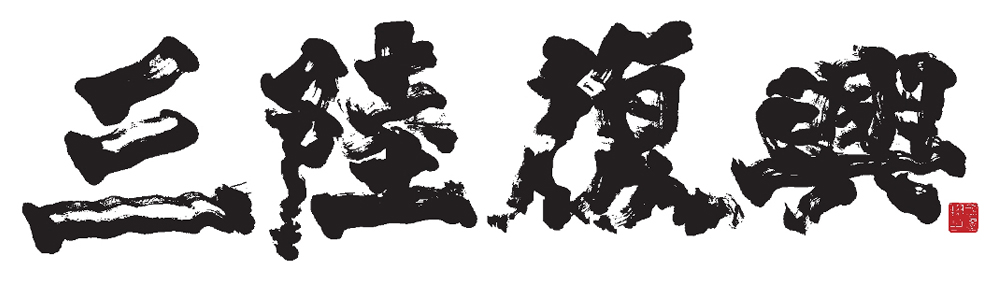
震災から5年たった今でも、被災地では約6万人が狭いプレハブの仮設住宅に暮らす。大都市の復興が比較的順調に進む一方、農漁村ではばらつきもみられる。宮城県仙台市と女川町で、住宅事情を中心にルポした

地下鉄開業し、新たな街づくり

2015年12月に開業したばかりの仙台市営地下鉄東西線。その東端の終点、荒井駅の真新しい駅構内に2月、東日本大震災の被害や復興の状況を伝える情報発信拠点「メモリアル交流館」が完成した。地下鉄自体は震災前の2006年に着工しており、急きょ併設されることになった施設で、被災時の写真や年表のパネルを展示している。平日の昼間にもかかわらず、地元住民や市内外からの来客でにぎわっていた。

真冬の青空の下、駅から車で東に4キロほど走ると、津波によって甚大な被害を受けた仙台市若林区荒浜を中心とする太平洋沿岸部に着く。かつては田畑が広がっていたが、今では2階まで浸水した荒浜小学校の廃墟を除けば、見渡す限り荒地が続いている。遠くに復興工事の土砂を運ぶトラックが頻繁に行き来しているのが見える。900人を超す仙台市内の死者・行方不明者の大半は、若林区と隣接する宮城野区の沿岸部の住民だった。現在、両区の海岸部は市の災害危険区域に指定され、安全な内陸の団地への集団移転事業が進められている。その最大の移転先が、荒井駅の周辺地域なのだ。

構想から20年以上を経て昨年12月、開業した仙台市営地下鉄東西線の荒井駅。周囲では再開発事業が計画されている。

荒井駅から歩いて10分ほどの場所には、荒浜地区の住民らが暮らすプレハブの仮設住宅が立ち並んでいた。ただ、ほとんどの入居者は既に、近隣の災害公営住宅(復興住宅)や、市が整備した宅地に自力で建築した一戸建て住宅に移り住んでおり、広大な駐車場もがら空きだ。100万人を超す大都市である仙台市の復興は、もともと予算規模が大きく既存のインフラも整備されていることから、他の被災地に比べて早いとされてきた。市の担当者によると、期間を5年間に設定した住宅関連の復興計画は、ほぼスケジュールどおりに進行しているという。

「狭くて暗い避難所や仮設住宅から、ようやく落ち着ける『本宅』に移ることができました」。 震災後、現在の荒井駅付近の避難所や仮設住宅で計4年半暮らした後、2015年11月に近くの一戸建ての市営復興住宅に引っ越した大学(だいがく)公子さん(73)は、安堵の表情を浮かべた。荒浜の深沼海岸沿いにあった自宅は津波に流され、土地を手放して住宅ローンをなんとか返済した。現在の月額家賃は約3万円。年金と、東京でアルバイトをする夫の収入でやり繰りしている。

「生活は大変です。でも、友人もたくさんいるので、これからは料理や大正琴といった趣味を楽しみながら、前向きに暮らしたいと思っています」

その仮設住宅から歩いて十数分の場所には、巨大な集合型の復興住宅「荒井東市営住宅」が2棟、並んでいる。計約300世帯が入居するこの住宅の町内会長、大橋公雄さん(72)も、30年以上住んでいた荒浜の自宅を津波で失った。避難所を転々とした後、区内の仮設住宅で約3年間生活し、2年前に移り住んだ。

東日本大震災で被災した仙台市若林区荒浜の住民が多く住む災害公営住宅「荒井東市営住宅」

利便性求め、他の被災地から仙台へ転居も

大橋公雄さんは、日中は災害公営住宅の集会所にいるようにしている。「ここは住民の活動拠点。一緒に体操などをして交流しています」

「地域の中核になる地下鉄ができたことが何より大きい。利便性がますます高まっています。女川町や石巻市といった他の被災地の仮設住宅からここに入居してきた人もいます」。地区のまとめ役でもある大橋さんは、住民が皆、辛い被災体験を乗り越えながら、穏やかに過ごせるように願っていると強調した。

「80歳、90歳を超えるような高齢者が多いので、頻繁に声がけしたり、見回ったりしています。仮設でも多かったのですが、ここでも最近、独居老人の孤独死が発生しました。命に関わる事態では応急処置が大切なので、市に心臓発作など救命救急時に使う医療機器のAED(自動体外式除細動器)の設置を要望しているところです」

市営住宅から再び荒井駅に向かった。再開発が始まった駅前地区の一角には、荒井地区で江戸時代から9代続く農家が経営するレストラン「もろやファームキッチン」がある。自宅で2000年に開業し、15年12月に移転してきた。自家栽培の旬の伝統野菜を利用した料理が人気で、地元住民や被災地を訪れる多くの客でにぎわっている。

「もろやファームキッチン」代表の萱場市子さんは「駅前地区の発展に『食』の面で貢献できればうれしい」

「生産者の強みを生かして、食材の本当の味を自ら伝えたいと思い、種をまく段階からメニューを考えています。各料理に合わせて150種類の野菜類を育てています」。 代表の萱場(かやば)市子さん(67)は、にこやかな表情で店の特長を説明した。震災では自宅は無事だったものの、所有する田畑の大半が海水に浸かり、塩害やがれき撤去のため一年ほど休耕を余儀なくされた。

店も休業せざるを得なかったが、数ヵ月後には再開し、友人の田畑を借りて食材を確保し急場をしのいだ。現在地に移転後は、1日の来客数、売り上げが移転前よりも5倍ほどに増えたという。「地下鉄の開業で街並みが大きく変わろうとしています。地元の人と他所から来る人との交流の拠点になればと願っています」

私は震災直後の2011年3月22日、死者・行方不明者数が最も多かった宮城県内の被災地に入り、海岸線の一帯が軒並み壊滅し、がれきがうず高く積み重なる惨状を目の当たりにした。仙台市内もあらゆる都市機能が麻痺し、JR仙台駅の周辺が騒然としていたのを覚えている。肉親や財産を失った住民の心の痛みは消えることはなく、生活面でも最近の人口集中による地価高騰や物価の高さなどへの不満の声も聞かれたが、5年の月日を経た今、少なくとも仙台では復興への確実な足音を感じる

女川では、まだ仮設の入居率8割

だが、被災地全体を見渡すと、その歩みにはばらつきがある。最も重要な「住まい」という点でみても、政令指定都市の仙台と、それ以外の県内の自治体とでは大きく違う。例えば、県震災援護室の調べによると、2016年1月28日現在の応急仮設住宅(プレハブ住宅)の入居率は、仙台市が27%であるのに対し、石巻市が58%、気仙沼市が65%、女川町が76%、南三陸町が64%などと極端に高い数字になっている。

三陸海岸沿いの自治体では、まだ安全な高台や内陸の復興住宅などの「本宅」への転居が進んでおらず、「仮設」で暮らし続ける住民が多いのだ。一方で、仙台のように、入居率の低下と転居の増加とともに、仮設住宅の大幅な集約や解体に向けて動き出している自治体がある。

さらに、宮城県が今年1月に発表した国勢調査の速報値(昨年10月1日現在)を見ると、震災前の2010年の前回調査と比べて、津波の被害が甚大だった沿岸部で人口が著しく減っているのが分かる。減少率は最大の女川町が37%、次いで南三陸町が29%、山元町が26%だった。逆に、仙台市は過去最多の108万人強となり、前回調査より3.5%増えている。

仮設住宅の入居率の高さ、人口減ともに、女川町が際立っている。私は、震災直後からほぼ毎年、取材のために現地を訪れており、とりわけ港やJR女川駅周辺の中心市街地、道路、それに基幹産業の漁業が比較的早く立ち直っている様子を見てきたが、この2つの数字は気になる。人口が1万人強から7000人弱にまで激減した同町の住宅の現状はどうなっているのか。仙台市を離れ、さっそく訪れてみた。

工事の遅れ、「いつまで我慢すれば…」

車で女川町内に入ると、 JR女川駅開業(2015年3月)の3カ月後に訪れた前回の取材時と同様、街中の復興ぶりが際立っていた。中でも、15年末に完成したばかりの駅前のテナント型商業施設「シーパルピア女川」では、遊歩道の両脇にレストランや雑貨店、町営の交流拠点「まちなか交流館」が配置され、買い物客らが行き交う。建物の数が増え、ますますにぎわいを増している印象だ。

女川駅前にオープンした商業施設「シーパルピア女川」。まちの景観は格段によくなった。

小雪がぱらつく中、町内の高台に向かうと、森林を切り開いた土地に、仮設住宅や災害公営住宅が立ち並んでいた。傍らでは、新たな公営住宅のための宅地造成工事が盛んに行われている。

女川町に生まれ育った雫石(しずくいし)光子さん(86)は、町民陸上競技場跡地に建設された災害公営住宅に15年7月から独りで住んでいる。津波で自宅を流され、避難所を経て3年間の仮設暮らしを強いられた。今は苦難から解放され、充実した日々を送っているという。

「震災前に住んでいた地区の人々の約半分が、津波で亡くなりました。助かった人も町外に出て行くなどしてばらばらになり、話し相手も減りました。でも、この建物はしっかりしていて快適で、すっかり慣れました。これからも健康で平穏に生きていければ、と願っています」

それでも、なお約2000人が入居する仮設住宅には、厳しい現実がある。

「仮設での暮らしは本当にきつい。冬は寒くて夏は暑いので、体にこたえる。いつまで我慢すればいいのか」――。高台の一角にある町総合体育館近くの仮設住宅に住む木村悟さん(66)は、入居予定の公営住宅がなかなか完成しないことに、いら立ちを募らせている。4月に入居予定だったのが、工事の遅れで1年後の2017年4月に延びてしまったからだ。

造成完了待ちきれず、町を出る住民も

仮設住宅に長男、中学生の孫と3人で暮らす木村悟さんは、今は主に家事を担当。「孫の弁当も作ってあげているよ」

「長男とその中学生の息子と3人暮らしだから、4畳半2間では狭すぎる。壁が薄くてプライバシーを守れないし……。気が滅入るよ」。津波が来たときはたまたま町外の知人の家にいて命拾いしたが、自宅は流され、最愛の妻を失った。女川原子力発電所施設での避難所暮らしの後、山形県天童市の長女の家で約3年間生活した。だが、大型漁船や港湾工事に使用する船に乗って長年仕事をしてきたこともあり、海に強い愛着があった。「やっぱり故郷の方がいい」と、2014年に長男らと一緒に戻った。

無料の仮設住宅と違い、公営住宅では月1―2万円の自己負担が必要になるが、それでも「仮住まい」よりはずっといい。木村さんは穏やかな表情を浮かべながらも、強い口調で訴える。「よほどの大災害だったから、復興に時間がかかるのは理解できる。でも、いつまでも行政に頼れないと思っているからこそ、とにかく落ち着ける居場所がほしい」

こうした声を同じ地区の仮設住宅に住む女性(56)からも聞いた。「うちは子供のこともあるし、町が造成した宅地に自力で家を再建する予定ですが、完了するのは2018年春だと説明されています。そのころには土地の値段もどうなっているか分かりませんし、予算の計画が立てにくい。最長でも震災後5年のうちには出られると思っていたのに……。近所のかなりの人が、待ちきれずに、仙台や石巻にいる子供のところに引っ越したり、宅地造成や災害公営住宅の建設が早く終わった別の自治体に移ったりしています」

高台少ない上に、固い岩盤で工事難航

今回で震災後の女川への訪問は5回目になるが、町は当初から住宅確保を最も重視していた。しかし、女川は他の被災地と比べても、住宅地や中心市街地を含めた町の大部分が酷く破壊された上に、もともと住宅に適した高台が極端に少ない。しかも、造成予定地は予想以上に固い岩盤が多く、工事が難航している。

須田善明・女川町長は「苦境の中でも、町民とともに『攻めの姿勢』で前向きに努力したい」

土地造成の手続き自体、全国に散らばる多数の地権者からの同意を得なければならず、思いのほか手間取っている。町によると、離・半島部を除く中心部の災害公営住宅は、本年度末時点で全体の28%が完成する見込みで、2年後の2018年春にようやく全戸が完成する予定になっている。

須田善明町長は、「当初から復興には相当に時間がかかり、人口も大きく減ることは覚悟していた。それでも、町民の住宅確保は最優先の課題だ。特殊な重機を導入したり、岩盤を砕く発破作業を加速したりして、できる限り早く工事を終わらせるようにしたい」と話す。

仙台とは対照的に、震災後に過疎化、少子高齢化がますます深刻となり、見通しは依然として厳しい。そうした中でも、自治体として被災者の期待に応えなければならない。須田町長は「新しいことにどんどん挑戦する町にする」とも強調した。それを実現するためにも、まずは町民の居住基盤の確保を急ぐ必要がある。

写真撮影=菊地 正憲

バナー写真:仙台市若林区荒浜の海岸に立つ東日本大震災の犠牲者の慰霊塔。5年前のあの日も寒空が広がっていた。

Book about traditional dances in Otsuchi

『大槌町の民俗芸能』

f:id:sato189:20160331113648j:plain

大槌町文化遺産活性化実行委員会・大槌町民俗芸能調査委員会編『大槌町の民俗芸能――大槌町民俗芸能調査報告書』(大槌町教育委員会、平成28年3月25日発行、A4判、101頁)を、本日拝受致しました。誠に有難うございました。

平成25年度より27年度までの3か年に実施した大槌町民俗芸能調査の報告書であり、調査の対象は、町内芸能団体のうち、現在活動中の19団体です。大槌稲荷神社と小鎚神社の祭礼である大槌まつりと、天照御祖神社祭礼の吉里吉里まつりに、それぞれ供奉する芸態種類ごとにまとめられているのが特色です。

目次は次の通りです。

例言

目次

大槌町の概要と歴史

大槌町郷土芸能保存団体連合会

大槌町民俗芸能調査委員会委員名簿

一 大槌町の民俗芸能(総説)(大石泰夫)

二 大槌まつりと吉里吉里まつり(佐藤一伯・大石泰夫)

三 調査報告

  • 臼澤鹿子踊(茂木栄)
  • 金澤鹿子踊(佐藤一伯)
  • 上亰鹿子踊(佐藤一伯)
  • 徳並鹿子踊(茂木栄)
  • 安渡虎舞(大石泰夫)
  • 大槌城山虎舞(中嶋奈津子)
  • 向川原虎舞(中嶋奈津子)
  • 陸中弁天虎舞(髙久舞)
  • 金澤神楽(佐藤一伯)
  • 花輪田神楽(茂木栄)
  • 雁舞道七福神(髙久舞)

四 参考文献一覧

ブログ筆者も微力ながら委員の一人に加えていただき、調査に参加しました。大槌稲荷神社や小鎚神社、各芸能団体の関係者の方々に、貴重なご教示やご協力を賜りましたこと、また大槌町教育委員会大槌町文化遺産活性化実行委員会、大槌町郷土芸能保存団体連合会、大槌町民俗芸能調査委員の方々に、ご指導とご厚情を戴きましたことに、心より御礼申し上げます。

5 years on, ‚reconstruction tourism‘ provides boost for disaster-hit areas

The skeleton of the local disaster prevention headquarters gutted by the March 11, 2011 tsunami is seen in Minamisanriku, Miyagi Prefecture, in this 2015 file photo. (Mainichi)

Areas devastated by the massive earthquake and tsunami that hit eastern Japan five years ago are putting effort into „reconstruction tourism,“ inviting people to places where tourist numbers collapsed in the wake of the disaster.

In the Miyagi Prefecture town of Minamisanriku stands a reminder of the quake and tsunami: the local disaster prevention headquarters. The structure was gutted by the tsunami on March 11, 2011, and 43 people there including town officials lost their lives. It has been decided to keep the structure standing until March 2031, under the administration of the Miyagi Prefectural Government, and a fence has been placed around the building while work to strengthen it is carried out.

In mid-February Shun Ito, 40, a worker at Minami Sanriku Hotel Kanyo, addressed a group of about 30 tourists in front of the building.

„Here two workers remained until the very end, calling over the wireless system for people to evacuate,“ he said. Tourists placed their hands together in prayer and wiped away tears as they each pictured the events that occurred there five years ago.

Minami Sanriku Hotel Kanyo began operating a „storytelling bus“ in February 2012, taking hotel passengers to areas hit by the tsunami over the course of about an hour, with its workers serving as storytellers. Over 100,000 people have taken the tour.

For those who suffered in the tsunami, the disaster prevention headquarters is a place of bitter memories, and some say it shouldn’t be turned into a tourist area. But Ito underscores the importance of bringing people to see the remains.

„It’s a place where many people come and place their hands together, and there is a congregation of warm feelings. We hope that by coming here, people will begin to realize what’s important in life,“ Ito says.

The proprietress of Minami Sanriku Hotel Kanyo, 53-year-old Noriko Abe, visited the A-Bomb Dome in Hiroshima two years after the disaster, and gained a renewed awareness of the power associated with the remains of a place.

„We should make Minamisanriku for people across the world to learn about disaster prevention and mitigation — this once-in-a-millennium disaster also happens to be a once-in-a-millennium learning opportunity,“ she says. The Minamisanriku Tourism Association in October last year launched a two-day program titled „Bosai Camp Sonae“ in which people learn how to flee from a tsunami and experience staying in a shelter.

For municipalities whose populations declined in the wake of the March 2011 disasters, reconstruction tourism provides a way to help them overcome the disasters. And the central government plans to support revival of tourism in disaster-hit areas. In a news conference on March 10, Prime Minister Shinzo Abe stated, „This year will be the first year of the restoration of sightseeing in the Tohoku region.“ He indicated that the government aims to boost the number of inbound travelers.

In terms of educational visits, results are already starting to show. In 2014, about 57,000 children from outside Miyagi stayed in the prefecture during trips — roughly 95 percent of the pre-disaster level. And since 2012, the numbers of visitors to Iwate Prefecture have topped the number seen in the year before the earthquake and tsunami.

Fukushima Prefecture saw the number of people staying in the prefecture drop to one-fifth of pre-disaster levels following the meltdowns at the Fukushima No. 1 Nuclear Power Plant, but in fiscal 2014, it had worked its way back to around half of pre-disaster levels.

Between January and February this year, about 220 second-year students from Nanchiku High School in Kurume, Fukuoka Prefecture, visited the Fukushima Prefecture city of Koriyama and the Miyagi Prefecture town of Minamisanriku, where officials and residents told them about decontamination work and their experiences in the disasters.

Year-head Tsuyoshi Masuda said it was easy for students and their parents to understand the purport of the visit.

„In Kyushu we see few reports, and there’s an image of restoration work having been completed, but the students came into contact with the real situation and listened earnestly,“ he says.

Japaner halten Lemgo für die „schönste Stadt“

Bürgermeister Dr. Reiner Austermann begrüßt zwei Gruppen aus Fernost im Rathaus

Thomas Reineke am 29.03.2016 um 16:30 Uhr

Viele Gäste: Gleich zwei japanische Gruppen reihen sich an und auf der Rathaustreppe auf. - © Privat
Viele Gäste: Gleich zwei japanische Gruppen reihen sich an und auf der Rathaustreppe auf. (© Privat)

Lemgo. Die Verbindung Japan-Lemgo ist seit der Ära des berühmtesten Sohnes der Stadt, des Forsches Engelbert Kaempfer (1651-1716), eine Besondere. Jüngster Beweis: Bürgermeister Dr. Reiner Austermann hat an einem Tag gleich zwei japanische Gruppen im historischen Rathaus begrüßt.

Neben einer Gruppe von jungen Musikerinnen und Begleitung aus der vom Tsunami vor fünf Jahren schwer beschädigten Stadt Otsuchi war dies eine Gruppe der Myozai-Oberschule aus Tokushima. Die Musiker kamen als Gegenbesuch zur Japan-Tournee der Big-Band des Engelbert-Kaempfer-Gymnasiums (EKG) nach Lemgo.

Die zweite Gruppe war aufgrund einer Partnerschaft mit dem Cecilien-Gymnasium in Bielefeld in die Region gekommen. Neben den Gästen aus Japan hatten sich auch Vertreter des EKG, des Cecilien-Gymnasiums, der Deutsch-Japanischen-Gesellschaft Bielefeld und der Lemgoer Engelbert-Kaempfer-Gesellschaft im Rathaus eingefunden. Zuvor hatten die jungen Gäste während zweier Stadtführungen von Liesel Kochsiek-Jakobfeuerborn und Karl-Rochus Kintscher erste Eindrücke von der Schönheit der alten Hansestadt erhalten.

Nach dem Empfang ging es hoch hinauf auf den Nordturm der Kirche St. Nicolai mit Blick über das sonnige Lipperland. Es schloss sich eine Besichtigung der Stadtwerke Lemgo an.

Wie Gesa Neuert, Vorsitzende der Deutsch-Japanischen Gesellschaft, im Anschluss an die Stadtbesichtigung mitteilte, waren die japanischen Gäste begeistert von dem Gesehenen: „Dem Besuch aus Otsuchi hat es sehr in Lemgo gefallen. Das ist wirklich die schönste Stadt, die sie bisher gesehen haben.“

Schwimmende Kraftwerke

Im japanischen Yamakura-Stausee baut die Firma Kyocera seit Anfang diesen Jahres am größten schwimmenden Solarpark der Welt. 51 000 Solarmodule sollen ab 2018 rund 14Megawatt Strom liefern, das reicht für etwa 5000 Haushalte.

Nach dem Reaktorunglück von Fukushima 2011 hat Japan alle Atomreaktoren abgeschaltet. Der Preis dafür ist hoch: 2014 kaufte das Land 90 Prozent der benötigten Energie in Form von Öl und Gas im Ausland ein. Erst langsam löst sich Tokio mithilfe erneuerbarer Energien aus der Abhängigkeit. Da die Fläche für den Photovoltaik-Ausbau immer knapper wird, weichen Solaranbieter zunehmend auf Gewässer aus. Vergangenes Jahr hat Kyocera drei solcher schwimmenden Kraftwerke in Betrieb genommen. In Großbritannien, Indien und Brasilien gibt es ähnliche Versuche, vorwiegend auf Stauseen.

Bild: Kyocera28. März 2016, 13:372016-03-28 13:37:36 © SZ.de/beu